

No products in the cart.
How to Fly With a Dog: The Ultimate Professional Travel Guide
Disclosure: By clicking on the product links in this article, My Pet World Store may receive a commission fee at no cost to you, the reader.
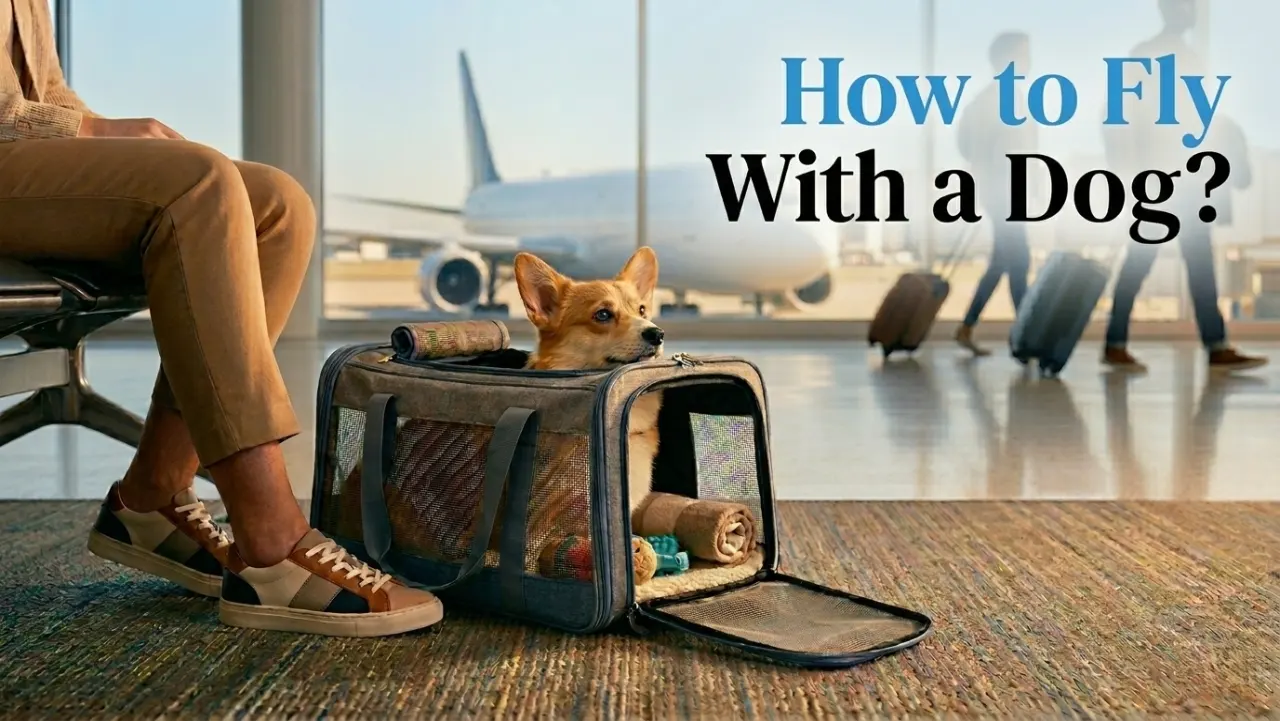
To fly with a dog you must verify specific airline pet policies, purchase an airline approved dog carrier, and obtain a health certificate from your veterinarian. Small dogs typically fly in the cabin under the seat, while large dog flights require specialized cargo transport in climate controlled holds. Always book your pet reservation at least 48 hours in advance due to limited space on most aircraft.
Key Requirements to Fly With a Dog
Preparing for air travel involves meeting specific legal and airline standards. Ensure you have the following ready before you head to the airport:
- Health Documentation: A certificate issued by a licensed vet within 10 days of your flight.
- Vaccination Proof: Valid records showing your dog is up to date on rabies vaccinations.
- Age Limits: Most airlines require puppies to be at least 8 to 12 weeks old to fly.
- Carrier Compliance: The dog must be able to stand up, turn around, and lie down inside the crate comfortably.
- Early Booking: Contact the airline directly to add your pet to your reservation as early as possible.
Preparing Your Pet for the Cabin Experience
Flying with a dog in the cabin requires your pet to stay calm in a confined space for several hours. You should begin the process of preparing a dog for flight at least one month before your trip. Place their favorite treats and bedding inside the carrier to create a positive association.
It is also helpful to practice staying in crowded, noisy environments to desensitize your dog to the sounds of a busy airport terminal. A calm dog is a safe traveler. Make sure to prioritize safety by following professional dog travel safety tips to ensure a smooth journey.
Which Are the Best Pet Carriers for Airplane Travel?
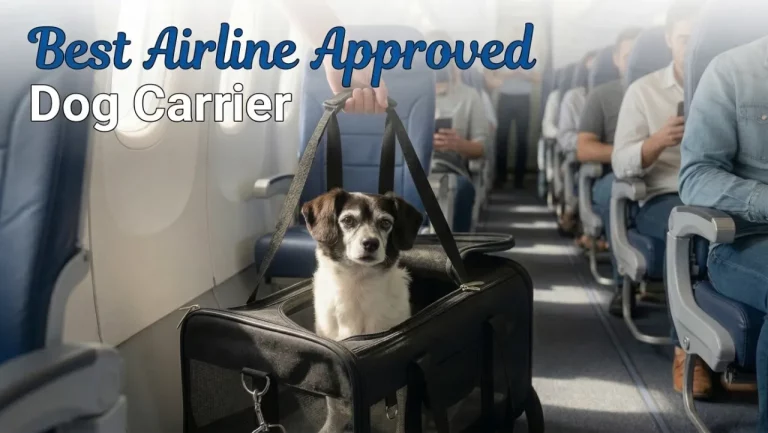
Selecting the best pet carrier for airplane travel is a critical safety step for any journey. For cabin travel, the carrier must be leak proof, well ventilated, and fit the specific dimensions under the seat in front of you. Soft sided carriers are often preferred because they are easier to fit into tight spaces compared to hard plastic shells.
If you need a reliable option for your next trip, check out our guide on finding an airline approved dog carrier to ensure your pet stays comfortable and safe throughout the journey.
Essential Gear for Long Distance Pet Travel
When you are traveling over long distances, having the right equipment makes a massive difference. You should invest in high quality pet friendly travel gear such as collapsible silicone bowls and portable waste bags.
Ensure your dog is wearing a sturdy collar with an ID tag that includes your current mobile phone number. If you are traveling internationally, a microchip is often a mandatory requirement for entry into many countries. Proper gear ensures your dog remains hydrated and secure from check-in to arrival.
What is Included in a Comprehensive Pet Travel Checklist?
A well organized pet travel checklist helps reduce stress for both the owner and the dog. Make sure your bags are packed with these essentials:
- Collapsible water and food bowls for easy hydration.
- A sturdy leash and a collar with current, legible ID tags.
- A familiar blanket or small toy to help reduce travel anxiety.
- Absorbent travel pads for the bottom of the carrier in case of accidents.
- Small bags for waste cleanup and a travel sized grooming brush.
Navigating the Airport Security Process
Going through security with a dog requires specific steps to maintain safety. You will need to remove your dog from the carrier and carry them through the metal detector while the carrier goes through the X-ray machine. Never put your dog through the X-ray machine.
Keep your dog on a leash during this process to prevent them from running off in the busy terminal. Once you are through security, locate the nearest animal relief station so your dog can have one last break before boarding the aircraft. This reduces the chance of accidents during the flight.
How Do American Airlines Rules for Dogs Work?
The american airlines rules for dogs are a common reference for pet owners because they have strict regulations to follow. They allow small dogs in the cabin for most flights if the combined weight of the dog and carrier is under 20 pounds.
For large dog flights, specialized cargo services are available. However, airlines enforce strict temperature restrictions. If the weather is too hot or too cold at any point in the route, they may refuse to transport the animal in the cargo hold for safety reasons. Always check the weather forecast for your departure and arrival cities.
Post Flight Recovery and Adjustment
Once you land, the priority shifts to your dog’s recovery from the stress of travel. Immediately take them to a designated pet relief area to stretch their legs and use the bathroom. Offer a small amount of water and a light meal once you reach your final destination to help their digestion settle.
Monitor your dog for any signs of lethargy or unusual behavior. It takes time for pets to adjust to new environments, so keep their feeding and walking routine as consistent as possible during the first 24 hours in a new location.
Conclusion:
Mastering the logistics of air travel ensures your dog remains safe and calm from takeoff to touchdown. By prioritizing an airline approved dog carrier and staying updated on specific carrier regulations, you eliminate the stress of last-minute travel hurdles. Success lies in meticulous preparation, from gathering health documentation to properly acclimating your pet to their gear. Follow this professional pet travel checklist to guarantee a seamless journey for your furry companion. Start your adventure today with the confidence that your dog is traveling in ultimate comfort.
Frequently Asked Questions
How much does it cost to fly with a dog?
The fee for a dog in the cabin usually ranges from $100 to $200 per flight. Cargo rates for larger dogs vary significantly based on the weight of the animal and the size of the shipping crate.
Can my dog sit on my lap during the flight?
No, airlines require all pets to stay inside their approved carriers at all times. The carrier must remain stowed under the seat during taxi, takeoff, and landing for safety reasons.
Do dogs need a passport to fly?
While there is no official passport for dogs in the United States, international travel requires specific health certificates and often an import permit depending on the destination country.
Should I sedate my dog for a flight?
Most experts recommend against sedation. It can interfere with a dog’s ability to regulate their body temperature and breathing at high altitudes. Consult your vet for natural calming options instead.
How long before a flight should a dog eat?
It is best to feed your dog a light meal 4 to 6 hours before the flight. This helps prevent stomach upset and reduces the likelihood of accidents while you are in the air.
Top Rated Dog Waste Bags for Every Walk
Aug 11, 2026
Further reading

Top Rated Dog Waste Bags for Every Walk
Apr 22, 2026