


No products in the cart.
The Professional Dog Clothes Size Guide: How to Measure for the Perfect Fit
Disclosure: By clicking on the product links in this article, My Pet World Store may receive a commission fee at no cost to you, the reader.
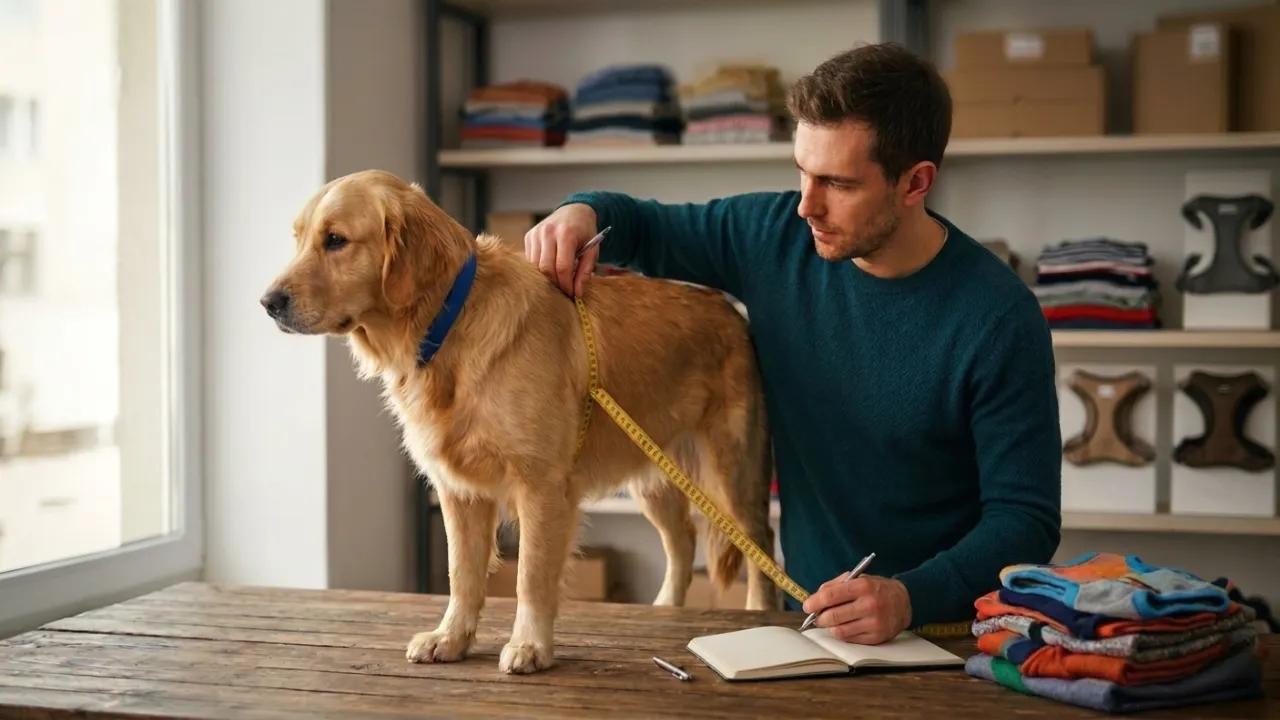
To get the perfect fit for your pet, use a flexible tape measure to find their chest girth, neck circumference, and back length. The chest girth is the most important measurement and should be taken at the widest part of the ribcage. Always follow the two-finger rule by ensuring you can fit two fingers between the measuring tape and your dog for maximum comfort and safety.
Essential Measuring Tools for Success
Before you start, gather the right tools to ensure accuracy. A flexible tailor’s tape is the best option because it contours to your pet’s body. If you do not have one, you can use a piece of string and then measure the string against a standard ruler. Accuracy is vital because even a one-inch difference can make a garment uncomfortable for your pet.
Key Steps for Measuring Your Pet
Measuring your dog correctly is the only way to avoid the hassle of returns. Follow these steps to gather the data needed for any dog clothing size chart:
Step 1 (Chest Girth): Wrap the tape around the widest part of the ribs, usually right behind the front legs.
Step 2 (Neck Size): Measure around the base of the neck where a collar typically sits.
Step 3 (Back Length): Run the tape from the base of the neck to the start of the tail.
How do I measure dog chest size correctly?
The chest measurement is the most critical factor in dog sizing because it determines if the fabric will be too tight for your pet to breathe or move. When you measure dog chest size, ensure your dog is standing on all four paws. If your dog has a very thick coat, press the tape measure slightly through the fur to get a more accurate reading of the actual body width. This ensures the garment remains comfortable even when the dog is active.
Back Length and Neck Circumference Guidelines
To accurately measure dog length, start at the point where the neck meets the shoulders. Run the tape along the spine and stop exactly where the tail begins. This is vital for items like raincoats or full body pajamas. While the chest is the priority, dog neck sizes are important for safety. If a neck opening is too small, it can cause choking. If it is too large, your dog might trip over the collar of the garment.
What is the difference between small and large dog clothes?
The scaling of pet apparel often changes based on the breed type:
- Clothes for a small dog: These are usually designed for narrower frames like Chihuahuas or Yorkies. If you have a stout small dog like a Pug, you may need to size up to accommodate their wider chest.
- Large size dog clothes: These focus on shoulder width and depth of the ribcage. Breeds like Greyhounds may need long and lean specific cuts, while Bulldogs require short and wide options to fit their muscle mass.
Navigating the Dog Clothing Size Chart
Every brand uses a different puppy clothes size chart, so never assume your dog is a “Small” just because they were that size at a different store. Compare your dog’s specific inch or centimeter measurements against the brand’s unique table. If your dog falls between two sizes, always choose the larger size to ensure they have a full range of motion.
Conclusion
Finding the right fit does not have to be a guessing game. By taking a few minutes to measure your dog’s chest, neck, and length, you can ensure they stay stylish and comfortable in their new gear. Check your measurements and shop our latest collection today to give your pup the comfort they deserve.
Frequently Asked Questions
What should I do if my dog’s measurements fall between sizes?
You should always choose the larger size. A slightly loose garment is much safer and more comfortable for a dog than one that restricts their breathing or natural movement.
Is it necessary to measure my dog for every new purchase?
Yes. Dogs can change weight, grow more fur, or lose muscle mass as they age. Since there is no universal standard for pet sizing, checking your dog’s current measurements against a new dog clothes size guide is essential.
Does weight determine the correct size?
Weight is a helpful starting point but it is not as accurate as physical measurements. Two dogs can weigh 20 pounds but have completely different chest shapes. Always prioritize the chest girth over the weight.
How tight should dog apparel be?
Clothes should be snug enough to stay in place but loose enough for your dog to run, jump, and go to the bathroom. Use the two-finger rule at the neck and chest to ensure the fit is correct.
Are certain measurements more important for specific breeds?
For deep-chested breeds like Boxers, the chest measurement is the most critical factor. For long-bodied breeds like Corgis, the back length is equally important to ensure the clothing covers their entire spine.
Best Winter Dog Coats for Cold Weather Protection
Jun 17, 2026