



No products in the cart.
Dog Harness vs Collar: Expert Guide to Choosing the Best Gear
Disclosure: By clicking on the product links in this article, My Pet World Store may receive a commission fee at no cost to you, the reader.

A harness is generally the superior choice for dogs that pull or have respiratory issues because it prevents neck strain, while a collar is best for well-behaved walkers and permanent identification. The right gear depends on your dog’s size, health, and behavior during walks. Most experts recommend using a harness for activity and a collar for daily ID.
Key Takeaways
- Safety Focus: Harnesses protect the throat and prevent tracheal collapse.
- Daily Use: Collars are lightweight and perfect for holding ID tags 24/7.
- Training Control: Front-clip harnesses are the most effective tools for pullers.
- Breed Specific: Small and flat-faced breeds should always use a harness for safety.
Common Types of Dog Collars
Standard Flat Collar
The flat collar is the most traditional option seen on almost every household pet. It consists of a simple band of nylon or leather that secures with a buckle or a snap. Owners choose this for everyday wear because it is lightweight and does not restrict the dog’s movement. It also serves as the primary location for attaching identification tags and medical licenses.
Martingale Collar
Often called a limited-slip collar, this design is specifically for dogs with narrow heads like Greyhounds or Whippets. It features a unique double-loop design that tightens slightly when the dog tries to back out of it. This prevents the pet from slipping their head through the collar while remaining loose when they are walking calmly. It is a safer alternative to a choke chain for dogs that are prone to escaping.
Head Collar
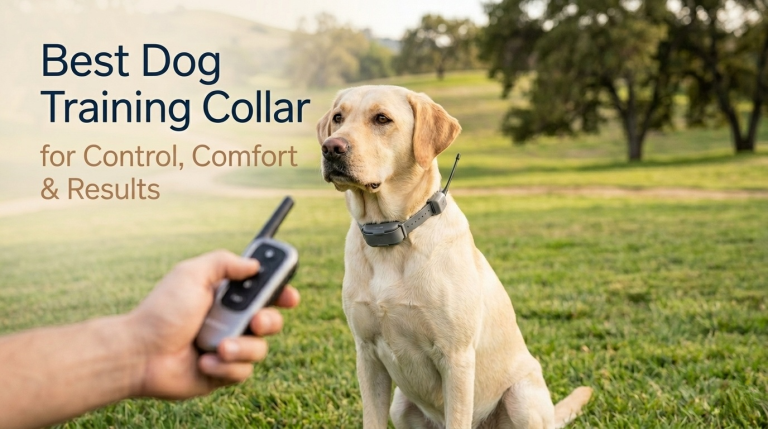
This specialized tool fits around the dog’s snout and attaches behind the ears, resembling a horse halter. It works by controlling the direction of the dog’s head, which naturally guides their entire body. Owners of powerful dogs use this to gain maximum leverage without needing to use physical force. If you need more guidance on behavioral tools, our guide on the best dog training collar can help you find the right fit.
GPS Smart Collar
These tech-heavy collars are designed for active pets and owners who want peace of mind. They include built-in tracking technology that syncs with a smartphone app to show the dog’s location. If you are worried about your pet wandering off, looking into the best GPS dog collar is a great way to ensure their safety during outdoor adventures.
Essential Types of Dog Harnesses
Back-Clip Harness
A back-clip harness features a leash attachment point located on top of the dog’s shoulder blades. This design is exceptionally comfortable because it removes all pressure from the sensitive throat area. It is perfect for casual walks where the dog does not pull excessively or for dogs with calm temperaments. Many small breed owners prefer this specific style to prevent any risk of accidental neck injury.
Front-Clip Harness
A favorite for training, the leash ring is located on the center of the chest rather than the back. This design naturally redirects the dog toward the owner whenever they try to lunge forward or pull. It is a highly effective tool for teaching loose-leash walking manners without causing any physical distress. If you are ready to upgrade your walking gear, explore our top picks for the best rated dog harness to make your daily walks more enjoyable.
Dual-Clip Harness
This versatile option includes rings on both the chest and the back for maximum flexibility. It allows owners to switch attachment points depending on the walking environment or training progress. Many people use the front clip in busy city areas and switch to the back clip in open parks. It is often the preferred choice for large, strong dogs that require different levels of control at various times.
Step-In Harness
Designed for dogs that dislike having gear slipped over their heads, this harness lays flat on the ground. The dog simply steps their front paws into the loops before the owner pulls the sides up and clips them. It is usually shaped like a vest or a figure-eight, providing a secure fit that is difficult to wiggle out of. This style is excellent for sensitive pets that may be “head-shy” or nervous about bulky equipment.
Advantages and Disadvantages of Dog Collars
The Pros of Using Collars
Collars are extremely convenient for all-day wear because they are lightweight and do not restrict movement. They are the best way to display ID tags, which is vital for pet safety. Most dogs find them very comfortable, and they are generally less expensive than high-quality harnesses.
The Cons of Using Collars
The primary drawback of a collar is the risk of neck injury. If a dog pulls or lunges suddenly, the pressure is concentrated entirely on the throat and spine. This can lead to long-term health issues like tracheal collapse or increased eye pressure in certain breeds.
Advantages and Disadvantages of Dog Harnesses
The Pros of Using Harnesses
A harness offers significantly better control over the dog’s entire body. It distributes pressure across the chest and shoulders, which is much safer for the pet’s physical health. They are also much harder for “escape artist” dogs to wiggle out of during a walk.
The Cons of Using Harnesses
Harnesses can be bulky and may cause the dog to overheat in hot weather. They are more time-consuming to put on and take off compared to a collar. If not fitted properly, they can also cause painful chafing in the armpit area.
Is a collar or harness better for my dog?
Deciding between a dog collar versus harness comes down to your pet’s physical needs and behavior. If your dog walks calmly by your side without pulling, a collar is sufficient. However, for most pets, a harness is the safer choice for outdoor adventures. It removes all pressure from the throat, protecting the delicate structures of the neck and spine.
When should you use a dog harness for small dogs?
Using a dog harness for small dogs is a non-negotiable safety step for many owners. Small breeds have fragile tracheas that can collapse under the pressure of a standard collar. A harness ensures that even if your small dog gets excited, the force is safely spread across their chest.
Is a harness vs collar for large dogs better for control?
When looking at harness vs collar for large dogs, stability is the priority. Large dogs possess immense power. A collar often fails to provide enough leverage to stop a strong dog from moving forward. A heavy-duty harness is essential for maintaining control and ensuring safety for both the pet and the owner.
Conclusion: Making the Best Choice for Your Pet
The debate of harness vs collar for dogs does not have a single answer, but the safety of your pet must come first. For puppies, small breeds, and persistent pullers, a harness is the clear winner for physical protection. For well-trained adult dogs, a high-quality flat collar is perfect for casual strolls. Many owners find that using both, a collar for tags and a harness for walks, provides the ultimate balance of security and comfort.
Frequently Asked Questions
Do vets recommend collars or harnesses?
Most veterinarians recommend harnesses for walking and training to prevent neck trauma. However, they advise keeping a collar on for identification purposes so your dog can be easily returned if they ever get lost.
Is a harness better than a collar for dogs?
Yes, for the majority of dogs, a harness is safer. It eliminates the risk of neck strain and provides better body control for the owner, making the walking experience more pleasant.
Do dog trainers recommend harnesses?
Yes, many professional trainers recommend front-clip harnesses to teach dogs not to pull. They are considered a positive reinforcement tool because they guide the dog without causing pain.
What are the disadvantages of dog harnesses?
Harnesses can be more difficult to put on, may cause chafing if not fitted correctly, and can lead to fur matting in long-haired breeds. They also do not typically hold ID tags as securely as a collar.
Should a dog wear a harness all the time?
No, dogs should not wear a harness 24/7. It can lead to skin irritation and can be a safety hazard if it gets caught on furniture while the dog is alone. Always remove the harness after your walk.
Best Rated Dog Harness for Comfort, Control & Safety
Jun 17, 2026