
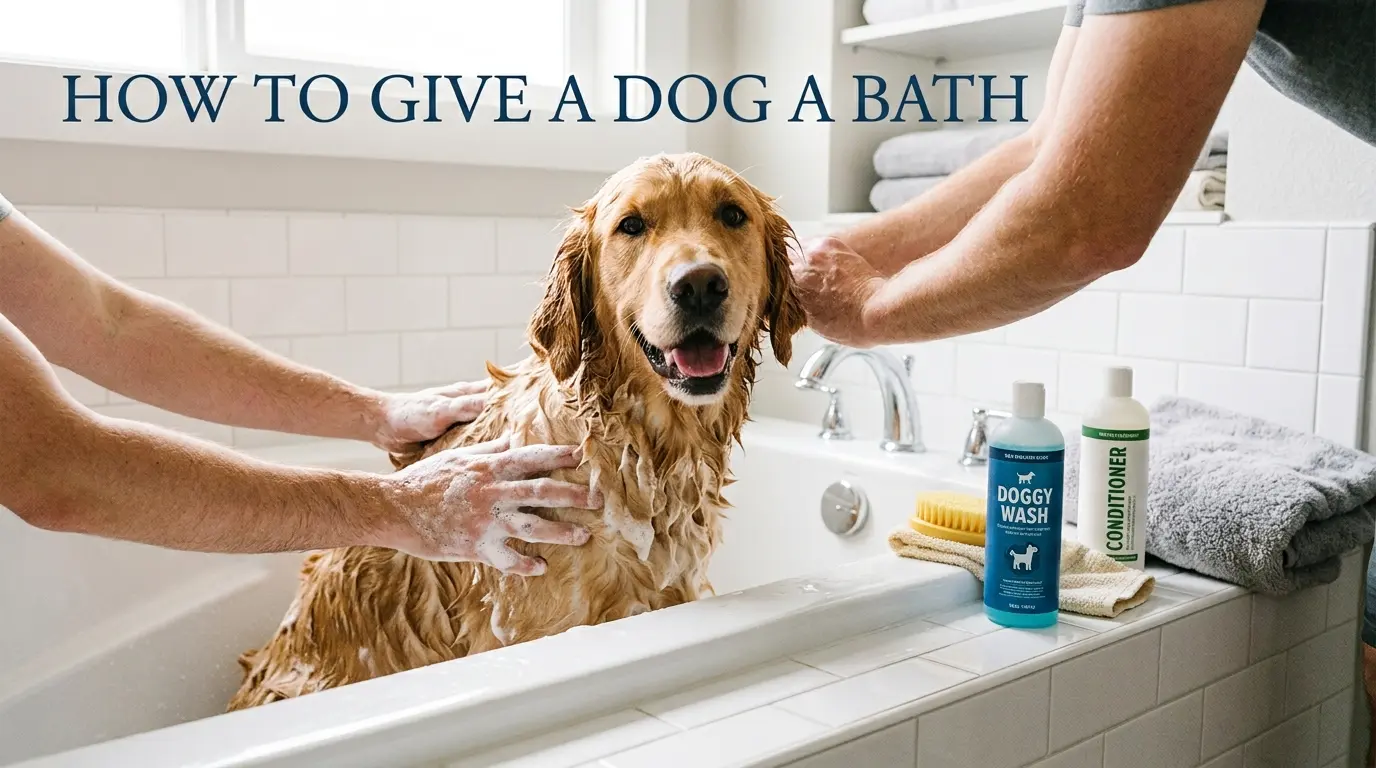
To give a dog a bath, gather your supplies first, wet your dog thoroughly with warm water, apply a dog-safe shampoo from neck to tail, rinse completely until no residue remains, then dry your dog right away with a towel or low-heat dryer. The steps most owners miss are the preparation before bath time and the proper drying routine after, both of which reduce stress for your dog and keep their coat and skin healthy.
How Often to Bathe a Dog
Most dogs do well with a bath every four to six weeks, though the right frequency depends on coat type, activity level, and skin condition. Dogs that spend a lot of time outdoors, have skin conditions, or are prone to odor may need bathing more often. Dogs with short, smooth coats may go longer between baths without any issues.
Overbathing is a common mistake. Washing a dog too frequently strips the natural oils from their skin, leading to dryness, flaking, and increased itchiness. If your dog gets muddy between baths, a quick rinse with plain water is usually enough without reaching for the shampoo every time.
- Short coated dogs such as Beagles and Boxers: every 6 to 8 weeks
- Double coated dogs such as Huskies and Golden Retrievers: every 4 to 6 weeks
- Dogs with skin conditions: as directed by your veterinarian
- Dogs with oily coats such as Basset Hounds: every 2 to 4 weeks
- Puppies: every 3 to 4 weeks once old enough for a full bath
What You Need Before Bathing a Dog
Having the right supplies ready before you start is one of the most overlooked steps in washing a dog. Stopping mid-bath to find a towel or forgotten shampoo means leaving a wet dog unsupervised, which almost never ends well. Gather everything beforehand and keep it within arm’s reach.
Essential Dog Bath Supplies
- Dog specific shampoo formulated for your dog’s coat or skin type
- Conditioner for long haired or double coated dogs
- Two or three absorbent towels
- A handheld shower attachment or plastic cup for rinsing
- Non-slip mat for the tub or bathing area
- Cotton balls to loosely protect the ear canals
- A slicker brush or comb for pre-bath brushing
- Treats to reward calm behavior throughout
A complete set of the right best grooming tools for dogs makes preparation much easier and keeps the experience calm from the very first moment.
Step by Step Guide to Giving a Dog a Bath
Follow these steps in order for the most effective and stress-free bath time. Skipping steps, especially the preparation and rinsing stages, is where most owners run into problems.
Step 1: Brush Your Dog Before the Bath
Always brush your dog thoroughly before getting them wet. Water causes mats and tangles to tighten and become nearly impossible to remove once soaked. Brushing first removes loose fur, breaks up surface tangles, and helps the shampoo reach the skin more evenly during washing.
Step 2: Prepare the Bathing Area
Place a non-slip mat in the tub or sink to prevent sliding. Fill the tub with two to three inches of warm, not hot, water before bringing your dog in. The sound of running water can be startling, so pre-filling the tub helps reduce anxiety for nervous dogs.
Step 3: Wet Your Dog Thoroughly
Use a handheld shower head or a cup to wet your dog from the neck down, working toward the tail. Avoid spraying water directly into the face, ears, or eyes. Wet the coat all the way down to the skin, especially on thick or double coated breeds, before applying any shampoo.
Step 4: Apply Dog Shampoo Correctly
Squeeze a small amount of dog shampoo onto your hands and work it into a lather before applying it to your dog’s coat. Start behind the neck and work backward toward the tail, then move to the legs and underbelly. Lather the shampoo into the coat and down to the skin using a gentle circular massage motion.
For the face, use a damp washcloth with a very small amount of shampoo rather than pouring water directly over the head. Wipe gently around the eyes, muzzle, and ears without getting any product inside the ear canal.
Step 5: Rinse Completely
This step is where most owners rush, and it causes the most problems. Rinse your dog until the water runs completely clear with no suds remaining. Shampoo residue left on the skin causes itching, dryness, and irritation that can look like a skin condition. Take your time and rinse more than you think you need to.
Step 6: Apply Conditioner if Needed
For dogs with long coats, thick double coats, or dry skin, apply a dog conditioner after rinsing the shampoo out. Leave it on for one to two minutes, then rinse it out completely. Conditioner softens the coat, reduces static, and makes post-bath brushing much easier.
Step 7: Dry Your Dog Properly
Start with a towel and blot the coat rather than rubbing aggressively. Rubbing causes tangling and frizz, especially in longer coats. After the towel dry, use a low heat hair dryer set to the coolest or warm setting and keep it moving constantly. Never hold a dryer in one spot on your dog’s skin.
Let your dog shake off as much water as naturally as possible before toweling. Most dogs will do this on their own and it removes a surprising amount of moisture before you even pick up a towel.
Choosing the Right Shampoo for Your Dog
The shampoo you use matters as much as the bathing technique. Human shampoos have a different pH level than dog shampoos and can disrupt the protective acid mantle on a dog’s skin, even with just one use. Always use a product specifically formulated for dogs.
Types of Dog Shampoo by Need
- Moisturizing shampoo for dry or flaky skin
- Oatmeal shampoo for itchy or sensitive skin
- Deodorizing shampoo for dogs prone to strong odor
- Flea and tick shampoo for dogs with parasite exposure
- Puppy shampoo with a tearless formula for young dogs
- Medicated shampoo as directed by your vet for diagnosed skin conditions
Regarding Dawn dish soap: it is not recommended as a regular shampoo for dogs. While it is sometimes used in emergency wildlife rescue situations, it strips the coat’s natural oils and is too harsh for repeated use. Stick with a proper dog shampoo for routine bathing.
Bathing a Dog That Resists or Fears Water
Giving an uncooperative dog a bath requires patience and a strategy built on positive association rather than force. Dogs that resist baths have usually had a stressful experience in the past, whether from cold water, a slippery tub, or a frightening sound. The goal is to rebuild their confidence gradually.
Tips for Bathing a Nervous Dog
- Start by letting your dog explore the empty tub without any water
- Feed treats inside the tub on dry days so the space feels safe and familiar
- Use a lick mat coated with peanut butter or wet food to keep them occupied during the bath
- Speak in a calm, low, reassuring voice throughout the session
- Keep the first few baths short and focused only on the essentials
- Never use force or raise your voice if your dog becomes anxious
- Reward heavily with treats and praise after each successful step
Regarding the 7 second rule for dogs: some trainers refer to this as the idea that a dog forms an initial impression of a new situation within the first seven seconds. For bath time, how you introduce your dog to the water and the tub in those opening moments sets the tone for the entire experience. Starting slowly and calmly makes a genuine difference.
What to Do After Bathing Your Dog
The post-bath routine is just as important as the bath itself. Once your dog is dry, brush the coat while it is still slightly warm to prevent new tangles from forming. This is also a good time to check the ears, paws, and nails while your dog is calm and relaxed.
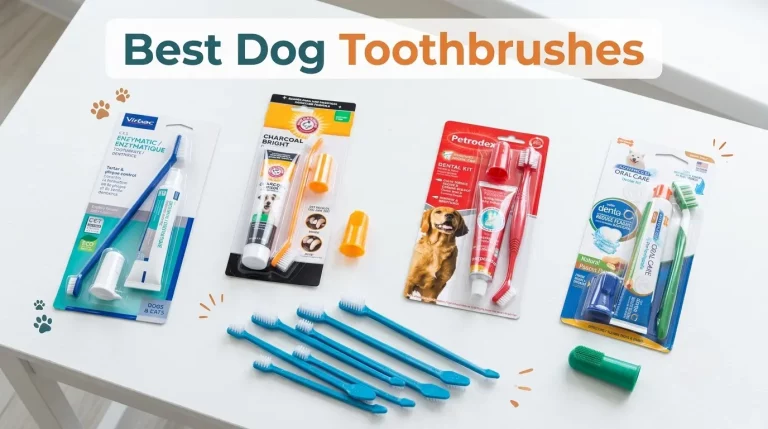
After a bath is an excellent time to brush your dog’s teeth as part of a broader grooming session. Pairing tasks together makes the overall routine more efficient and helps dogs become comfortable with multiple forms of handling in a single sitting.
- Brush the coat once dry to prevent matting
- Check inside the ears for redness or unusual odor
- Inspect paws for cracks or debris between the pads
- Trim nails if needed while your dog is calm
- Offer a treat and praise to reinforce the positive experience
Make sure your dog’s sleeping area is also clean. A freshly bathed dog on a dirty bed quickly picks up the odors that were just washed away. Here is how to clean a dog bed properly to keep your dog’s environment as fresh as their coat.
When You Should Not Bathe a Dog
There are situations where bathing can cause more harm than good. Knowing when to hold off is part of responsible dog care.
- When your dog has open wounds, surgical incisions, or active skin infections
- Immediately after a flea treatment or topical medication application
- When your dog is ill, shaking from cold, or recovering from surgery
- In very cold weather when you cannot dry them thoroughly indoors
- Within 48 hours of a professional grooming appointment in some cases
If your dog has a diagnosed skin condition, your veterinarian may recommend a specific bathing schedule and medicated shampoo. Always follow veterinary guidance over general recommendations in those situations.
Common Dog Bathing Mistakes to Avoid
Most dog bath problems come from the same repeating mistakes. Being aware of them before you start prevents the issues that leave owners frustrated and dogs miserable.
- Using human shampoo or dish soap on a dog’s coat
- Skipping the pre-bath brush so mats tighten when wet
- Using water that is too hot or too cold
- Getting water or shampoo inside the ear canal
- Rinsing too quickly and leaving shampoo residue on the skin
- Rubbing the coat aggressively with a towel and causing tangles
- Skipping the drying step and allowing the coat to air dry in cold conditions
- Bathing too frequently and stripping natural skin oils
Bathing Considerations by Coat Type
Different coat types require different bathing approaches. Understanding your dog’s coat helps you choose the right products and technique for the best results.
Short and Smooth Coats
Short coated dogs like Greyhounds, Boxers, and Dalmatians are the easiest to bathe. The shampoo reaches the skin quickly and rinsing is straightforward. A rubber grooming mitt works well to massage the shampoo in and remove loose fur during cleaning.
Long and Double Coats
Breeds like Golden Retrievers, Bernese Mountain Dogs, and Border Collies have thick double coats that take much longer to fully wet and rinse. Use a high-velocity dryer after toweling to prevent hot spots, which develop when the undercoat stays damp for too long close to the skin.
Curly and Wavy Coats
Poodles, Doodles, and Cocker Spaniels have coats that mat quickly. Always apply conditioner after shampooing and use a slicker brush gently while blow drying to maintain the curl pattern and prevent tangles from setting.
Senior Dogs
Older dogs may have arthritis or mobility challenges that make standing in a tub uncomfortable for extended periods. Keep senior dog baths short, use a non-slip mat, and consider a smaller basin or a grooming table if bending is difficult for them.
Building a Grooming Routine Around Bath Time
A bath works best when it is part of a consistent grooming routine rather than a reactive task done only when the dog smells. Regular grooming between baths keeps your dog comfortable and reduces buildup between washes.
Bathing days often leave behind fur on clothing and furniture. Learning how to remove dog hair from clothes makes post-bath cleanup much easier and keeps your home tidy after a full grooming session.
Conclusion
Knowing how to give a dog a bath properly is one of the most practical skills a dog owner can build. The process is straightforward once you understand what each step is doing for your dog’s skin, coat, and comfort. Gather your supplies before you start, brush before you wet, shampoo thoroughly, rinse longer than you think you need to, and always dry your dog completely.
The small steps most owners overlook, including the pre-bath brush, the cotton balls in the ears, the full rinse, and the drying routine, are what separate a bath that leaves your dog healthy and comfortable from one that causes skin irritation or coat damage. Done consistently every four to six weeks, bath time becomes a normal part of your dog’s routine rather than a dreaded event.
Every dog is different. Some breeds need more frequent bathing, some require special shampoos, and some need extra patience and positive reinforcement to get through the experience calmly. If your dog has a skin condition, unusual coat changes, or persistent odor that does not clear up with regular bathing, consulting your veterinarian is always the right next step.
Frequently Asked Questions
How many days should a dog be bathed?
Most dogs should be bathed every four to six weeks. The ideal frequency depends on coat type, lifestyle, and skin condition. Short coated dogs may go longer between baths, while dogs with oily coats or skin conditions may need more frequent washing. Always follow your veterinarian’s recommendation if your dog has a diagnosed skin issue.
What not to do when bathing your dog?
Avoid using human shampoo, dish soap, or any product not formulated for dogs. Do not skip the pre-bath brush, rush the rinse, get water inside the ear canal, or use water that is too hot. Never bathe a dog with open wounds or one recovering from surgery without veterinary guidance.
How to give an uncooperative dog a bath?
Start by making the bathing area familiar and positive before attempting a bath. Feed treats in the empty tub, use a lick mat during the bath to keep your dog occupied, keep water pressure low, and speak calmly throughout. Never use force. Build positive associations gradually over several short sessions before attempting a full bath.
Is Dawn dish soap ok for dogs?
Dawn dish soap is not recommended for regular dog bathing. It strips natural oils from the skin and coat, causing dryness and irritation. Dog owners should always use a shampoo specifically formulated for dogs during routine baths.
Do you brush a dog after a bath?
Yes, brushing your dog after a bath is important, especially for longer or thicker coats. Brush the coat while it is still slightly warm and damp to prevent tangles and mats from setting. Using a slicker brush while blow drying produces the best results and keeps the coat smooth and healthy between baths.