


No products in the cart.
How to Brush Dog Teeth: The Ultimate Step-by-Step Guide
Disclosure: By clicking on the product links in this article, My Pet World Store may receive a commission fee at no cost to you, the reader.
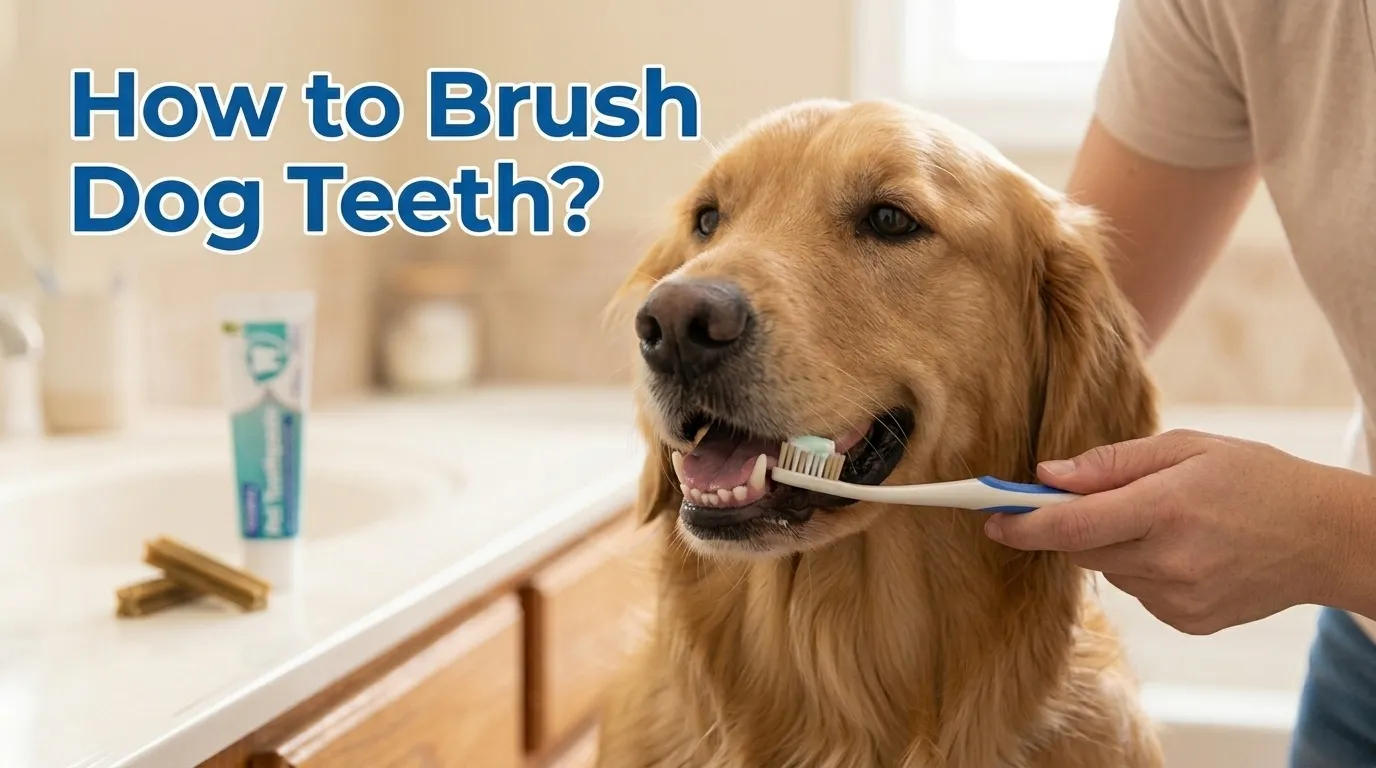
The most effective way to brush dog teeth involves using a pet-safe enzymatic toothpaste and a soft toothbrush to gently scrub the outer surfaces of the teeth in a circular motion at a 45-degree angle to the gum line. This routine should ideally be performed daily to prevent plaque from hardening into tartar and to maintain overall dog oral hygiene.
Key Takeaways
- Only Use Pet Toothpaste: Human toothpaste contains xylitol, which is toxic to dogs.
- Daily Frequency is Best: Plaque can turn into tartar within 24 to 48 hours.
- Focus on the Outside: Most plaque builds up on the cheek-side of the teeth.
- Start Early: While you can train an adult, starting as a puppy creates a lifelong habit.
Signs Your Dog Needs a Toothbrushing Routine
If you are unsure whether your pet needs intervention, look for these common indicators:
- Bad Breath: While “dog breath” is common, an extremely foul odor usually points to bacteria.
- Discolored Teeth: Yellow or brown buildup near the gums is a sign of tartar.
- Red or Bleeding Gums: This indicates gingivitis and should be handled gently.
- Difficulty Eating: If your dog drops food or avoids hard kibble, their teeth may be painful.
Establishing a routine for your pet is just as vital as managing your own wellness, which you can learn more about in these pet owners health self-care tips.
What Can I Brush My Dogs Teeth With?
Using the correct tools is the “best way to brush dog teeth” safely. You should never use a human toothbrush as the bristles are often too stiff and the head shape is wrong for a dog’s mouth.
- Pet-Specific Toothbrushes: These have angled heads to reach the back molars.
- Finger Brushes: These silicone sleeves fit over your finger, offering better tactile feedback for beginners.
- Enzymatic Toothpaste: These pastes work even if you don’t scrub every spot perfectly because the enzymes break down food particles chemically.
The Best Way to Brush Dog Teeth at Home
To make the process successful, follow this logical flow:
- Introduce the Flavor: Let your dog lick the toothpaste to build a positive association.
- The Lip Lift: Gently pull the lips back to see the premolars.
- The Angle: Place the brush at a 45-degree angle where the tooth meets the gum.
- Circular Scrubbing: Use small, light circles. You do not need to scrub the inside of the teeth (near the tongue) as the tongue’s natural movement keeps that area cleaner.
- Focus on the Back: Most dental issues occur in the large molars at the very back of the mouth.
Can Coconut Oil Help Dog Dental Health?
Many pet owners ask if natural remedies like coconut oil work. Coconut oil has antimicrobial properties due to lauric acid, which can help reduce bacteria in the mouth. While it is not a replacement for brushing with enzymatic paste, rubbing a small amount on the gums or using it as a “base” for the brush can improve breath and reduce inflammation.
Handling a Dog That Won’t Let You Brush
If your dog is resistant, use the 3 3 3 rule: Spend three days just letting them taste the paste, three days touching their teeth with your finger, and three days introducing the brush. If they remain aggressive or highly anxious, consider dental wipes or water additives. These are easier to apply and still contribute to dog oral hygiene without the stress of a traditional brush.
Natural Ways to Dissolve Tartar on Dogs’ Teeth
Once plaque hardens into tartar, it is difficult to remove without professional help. However, you can soften it by using:
- Dental Chews: High-quality chews scrape the teeth mechanically as the dog bites down.
- Raw Bones: Large, safe raw bones (not cooked) can help “polish” the teeth.
- Water Additives: These help kill bacteria in the water bowl before it can stick to the teeth.
Essential Tips for Success
The key to mastering dog oral hygiene is patience. It may take several weeks before your dog allows you to brush their entire mouth in one sitting. Start by brushing just the front canines, then slowly work your way back to the premolars and molars as their comfort level increases. Always keep sessions short and positive.
Conclusion
Mastering the art of cleaning a dog’s teeth at home is a marathon, not a sprint. It requires patience and the right tools, but the payoff is a longer, healthier life for your companion. By prioritizing dog dental care now, you save yourself from high vet bills and save your dog from the discomfort of oral disease. Start slow, stay consistent, and keep the experience positive with plenty of rewards.
Frequently Asked Questions
What is the best way to brush your dog’s teeth?
The most effective method is using a finger brush or pet-specific toothbrush with enzymatic toothpaste, focusing on the gum line in circular motions.
Is it too late to start brushing my dog’s teeth?
It is never too late to start a dental routine. Even older dogs can learn to tolerate brushing if you introduce it slowly and use positive reinforcement.
What is the 3 3 3 rule for brushing teeth?
This is a training method: 3 days of mouth handling, 3 days of toothpaste tasting, and 3 days of light brushing to ensure the dog feels safe.
Can I scrape plaque off my dog’s teeth?
You should never use metal scrapers at home. This can crack the enamel or cause gum infections. Only a vet should perform scaling.
How often should a dog’s teeth be brushed?
Daily brushing is highly recommended. At a minimum, aim for three times per week to effectively manage plaque buildup.