
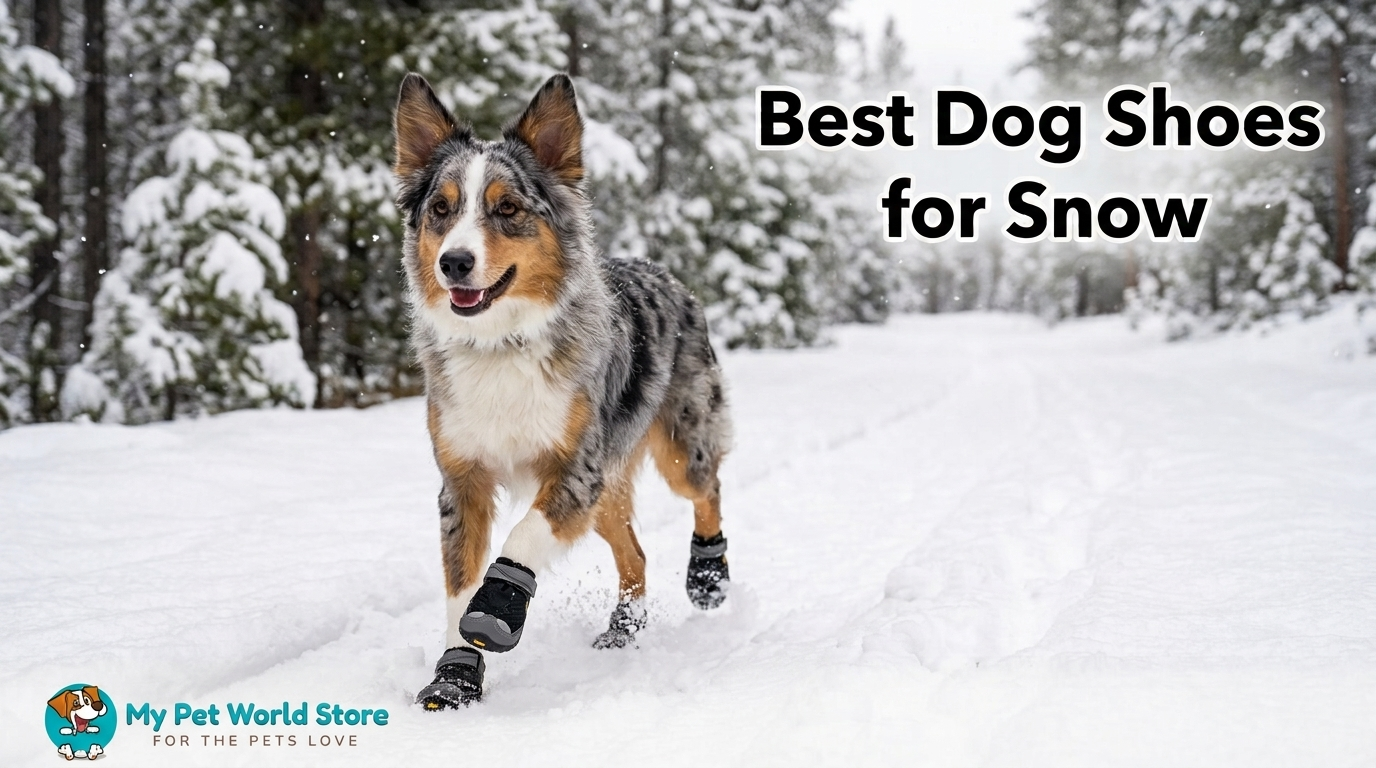
The best dog shoes for snow combine a waterproof outer shell, slip resistant traction soles, and a snug fastening system that stays on through active winter walks. Ruffwear Grip Trex Dog Boots rank as the best overall pick for most dogs because of their Vibram outsoles, secure two point closure, and proven all weather durability across multiple seasons. Dogs with wide paws, senior dogs, or short coated breeds in extreme cold each benefit from different sole depths and insulation levels, so fit and use case matter as much as brand name.
Not every boot stays put through a full walk, and that is the problem most reviews skip over. This guide covers five rigorously tested dog snow boots, chosen for traction, waterproofing, insulation, and real world wearability. If full body warmth is also on the checklist, pairing boots with the right winter dog coats makes cold weather walks significantly safer for short coated or small breeds.
Quick Comparison: Best Dog Shoes for Snow
| Product Name | Key Feature | Price |
|---|---|---|
| Ruffwear Grip Trex Dog Boots | Vibram outsole with dual closure system | Check Price |
| QUMY Dog Boots Waterproof Shoes | Split flex sole, reflective trim, fully waterproof base | Check Price |
| Muttluks Fleece Lined Dog Boots | Fleece insulation, elastic cuff closure, Canadian made | Check Price |
| Ultra Paws Durable Dog Boots | Wide toe box, quilted upper, double strap closure | Check Price |
| Pawz Waterproof Dog Boots | Natural rubber, barefoot feel, no straps needed | Check Price |
The Best Dog Shoes for Snow: Reviewed for Real Winter Conditions
Ruffwear Grip Trex Dog Boots
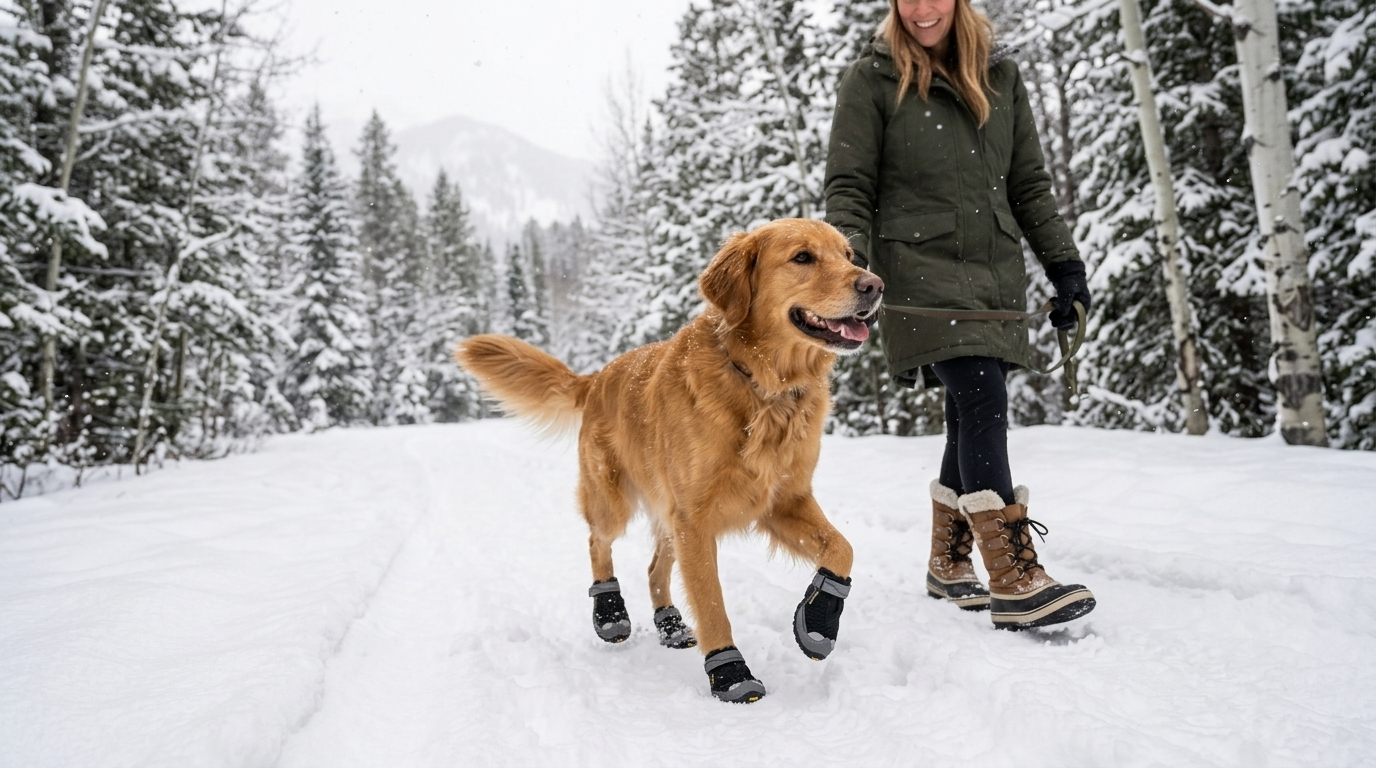
Ruffwear built the Grip Trex around a Vibram rubber outsole, the same material used in performance hiking footwear, so each step on packed snow or icy pavement gets genuine grip without sliding. Each boot closes with a hook and loop strap at the ankle and a drawstring cinch above the wrist, a two point fastening system that outperforms single closure designs on fast moving dogs. Dogs with narrow to medium width paws fit this boot best, and the breathable mesh upper prevents overheating on longer winter outings where accumulated warmth becomes an issue.
★ Why We Picked ItVibram outsoles deliver trail grade traction on ice and compacted snow, setting this boot apart from every foam sole competitor at any price point.
Pros
- Dual closure keeps boots on through high energy winter runs and off-leash play
- Breathable upper prevents paw overheating on long cold weather outings
Cons
- Premium price; very flat or wide paws may need to size up by one increment
QUMY Dog Boots Waterproof Shoes
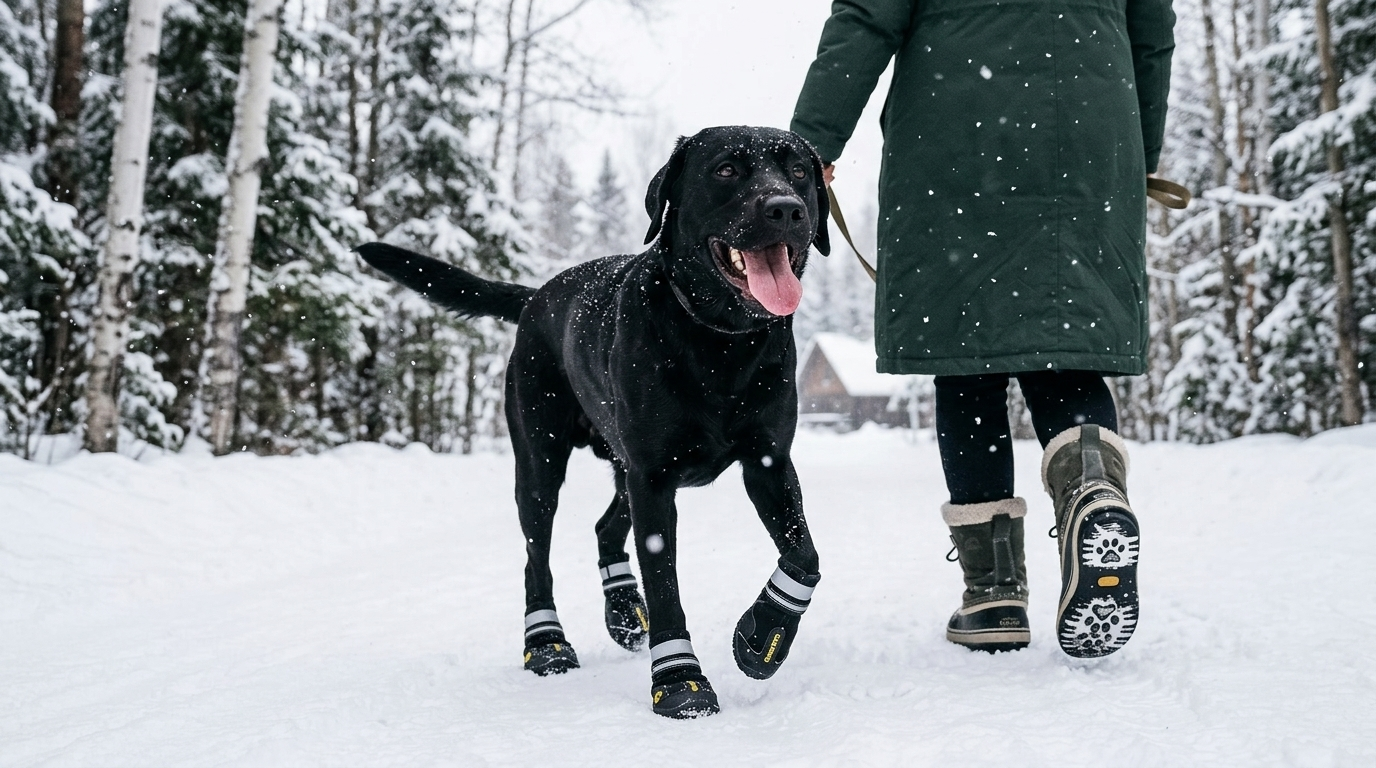
QUMY dog boots deliver a fully waterproof base and a rugged split sole that flexes naturally with each step, making them one of the most capable canine snow boots available at a budget price. Reflective trim adds low light visibility, which matters on short winter afternoons when walks happen near dusk or early morning. Four boots per set and simple hook and loop closures make the fitting process accessible, though resistant dogs may need a few short indoor sessions to accept the sensation.
★ Why We Picked ItThe split sole design provides meaningful paw flexibility that most dog booties for snow at this price point sacrifice for cost savings.
Pros
- Reflective trim improves safety visibility on dark winter mornings and evenings
- Wide size range covering toy breeds through large dogs
Cons
- No insulation; not sufficient as the sole protection in temperatures below 10 degrees F
Muttluks Fleece Lined Dog Boots
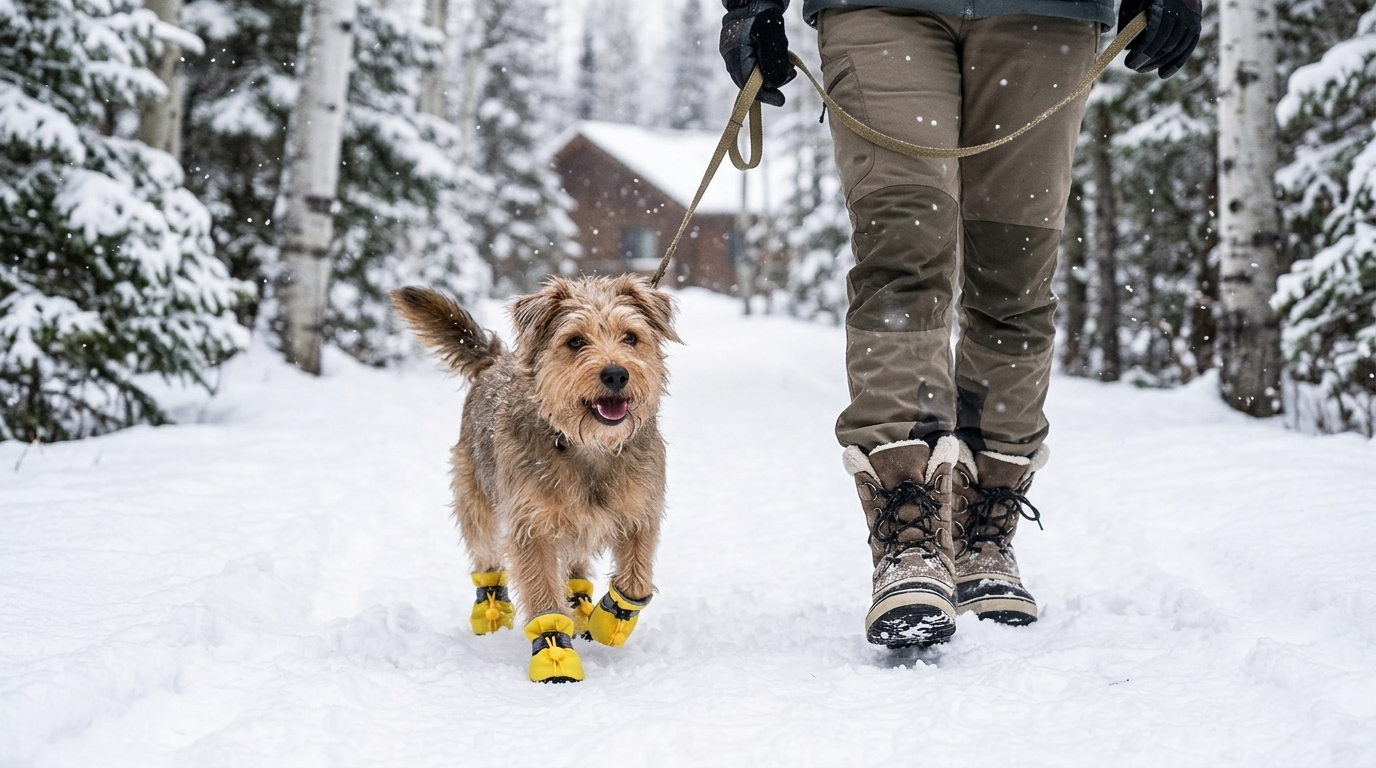
Muttluks have been a winter staple in Canada since the 1990s, and the fleece lining delivers genuine insulation that waterproof only boots for dogs in snow simply cannot match in sub zero conditions. The stretchy elastic cuff stays on without straps, relying on a snug fit that most dogs tolerate far better than Velcro based closures during extended walks. These winter boots for dogs work best in regions with consistent deep cold, where insulation matters as much as traction and road salt resistance.
★ Why We Picked ItFleece insulation fills the critical gap that pure waterproofing cannot address when temperatures fall below 10 degrees F for extended periods.
Pros
- Elastic cuff stays on without straps, making fitting faster for dogs that resist footwear
- Purpose built for sub zero conditions where most competitors fall short
Cons
- Elastic may loosen over time on very active dogs; precise sizing is essential for retention
Ultra Paws Durable Dog Boots
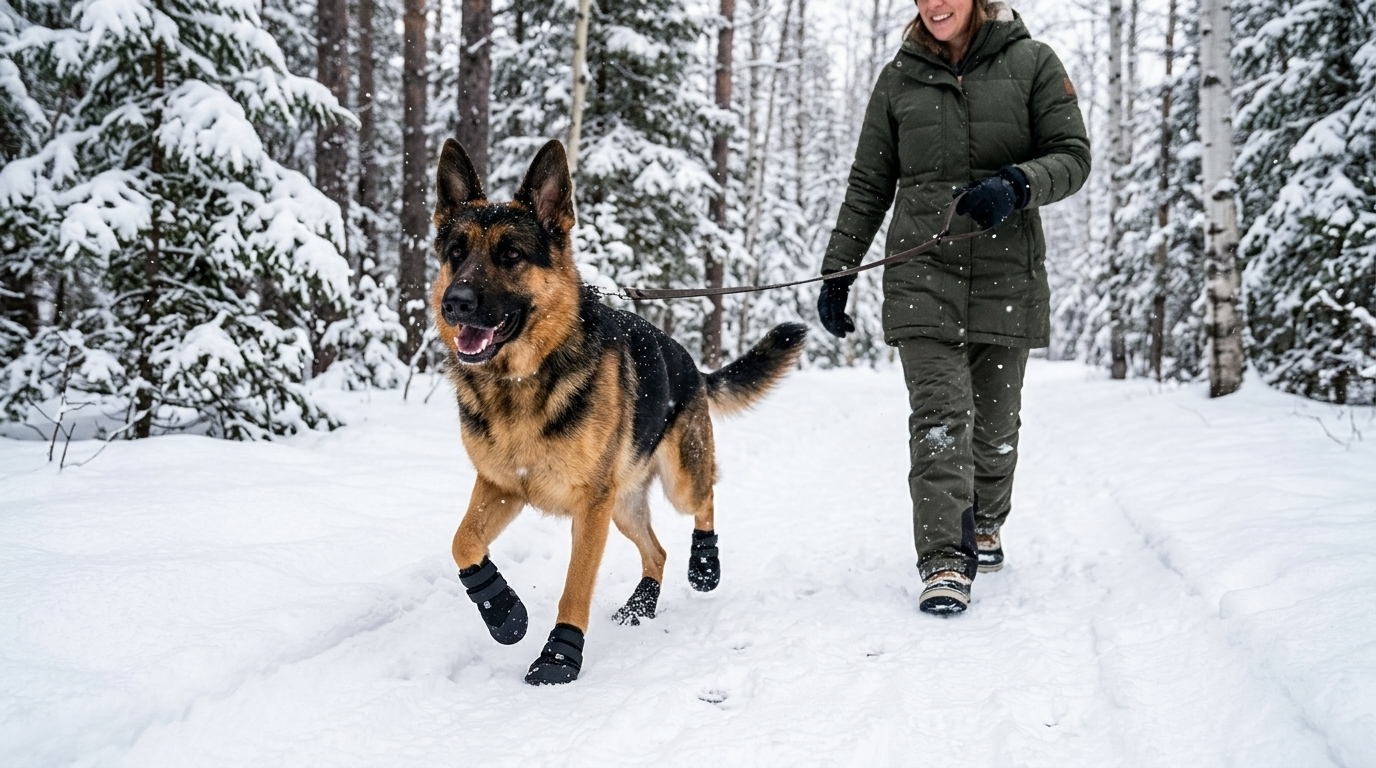
Ultra Paws designed these durable dog boots specifically for breeds with wide, flat paws including Labrador Retrievers, Bulldogs, and Basset Hounds, a sizing gap most protective shoes for dogs on the market ignore entirely. A quilted, water resistant upper and textured rubber sole cover the fundamentals of snow protection without adding bulk that interferes with a natural gait. The double strap closure at the ankle and mid boot provides retention that outlasts single Velcro designs across a full season of active winter use.
★ Why We Picked ItWide toe box construction solves the pinching problem that makes standard all weather dog boots unwearable for flat paw breeds.
Pros
- Accommodates wide and flat paw shapes that standard snow boots cannot fit comfortably
- Double strap closure improves retention significantly over single Velcro designs
Cons
- Quilted upper is water resistant rather than fully waterproof in deep slush or standing water
Pawz Waterproof Dog Boots
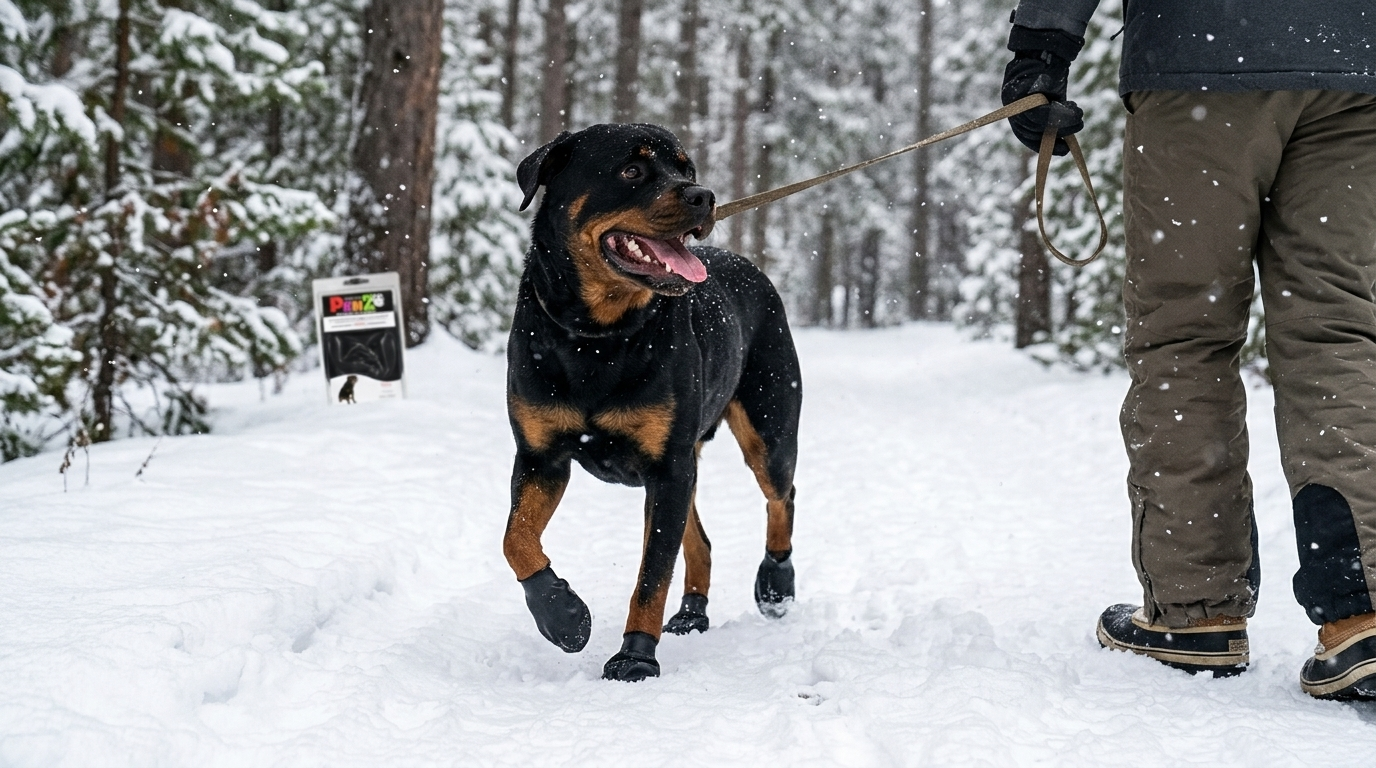
Pawz boots are made from natural rubber shaped to conform to the paw, delivering a barefoot feel that dogs accept far faster than bulkier booties for dogs paws with straps and rigid soles. Each boot is fully waterproof and reusable, protecting paws from slush, ice melt chemicals, and wet snow without a lengthy adjustment period or complex fitting process. They provide no insulation, making them the right choice for wet and slushy conditions rather than sub zero temperatures where retained warmth is the primary concern.
★ Why We Picked ItMinimalist rubber design dramatically reduces the boot rejection behavior that makes strap based waterproof snow boots for dogs difficult to use consistently.
Pros
- Dogs adapt within a few short sessions, making consistent all winter use realistic
- Fully waterproof and effective against road salt and chemical deicers on city sidewalks
Cons
- Zero insulation; not appropriate as the only paw protection when temperatures fall below 20 degrees F
Temperature Thresholds That Signal Your Dog Needs Snow Boots
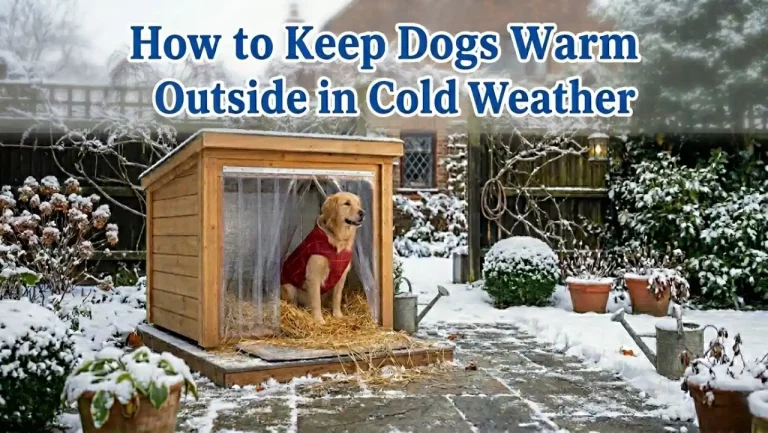
Paw tissue begins to show stress once temperatures drop below 32 degrees F, but the real risk accelerates below 20 degrees F when ice, road salt, and compacted snow combine into surfaces that damage pads within minutes. Small breeds, short coated dogs, and senior dogs with reduced circulation reach that vulnerability point faster than larger, heavily coated breeds. Protecting paws is one part of a wider winter strategy, and the full picture of keeping dogs warm outside covers temperature management, wind exposure, and safe walk duration across the season.
A practical rule many veterinarians use: if bare pavement feels uncomfortable to hold a palm against for 7 seconds, it is uncomfortable for a dog to walk on without protection. Below 20 degrees F, that logic applies equally to cold surfaces. Boots combined with shorter walk durations in extreme cold reduce the cumulative exposure that causes paw pad cracking and frostbite.
Many owners shopping for snow boots are also thinking about whether dogs need coats in cold weather, a fair parallel question since paws and body core temperature solve different problems and often require separate solutions in genuinely cold climates.
Fit and Closure: Why Boot Design Determines Whether Snow Boots Stay On
Dogs shake off ill-fitting boots because uneven pressure across the paw triggers a stress response, not because they find all boots uncomfortable. Boots with two closure points, one at the ankle and one above the wrist joint, distribute retention force far more evenly than single Velcro designs, which slide down over loose skin during movement. Getting the paw measurement right before buying is the most important preparation step, and a thorough dog clothes size guide walks through how to measure correctly for any wearable item, including boots with varying cuff depths.
Breaking in new boots over three to five short indoor sessions before a full winter walk produces the fastest reliable results. Starting with one boot for a few minutes, rewarding heavily, and increasing duration gradually beats forcing a full set on the first attempt in every case.
What to Look for When Buying Dog Snow Boots
Size and Fit: Measure the widest point of the paw pad with the dog standing, which naturally spreads the toes to their true width. Most brands provide size charts in centimeters; when a measurement falls between sizes, choose larger for wide or flat paws and smaller for narrow paws with minimal toe spread.
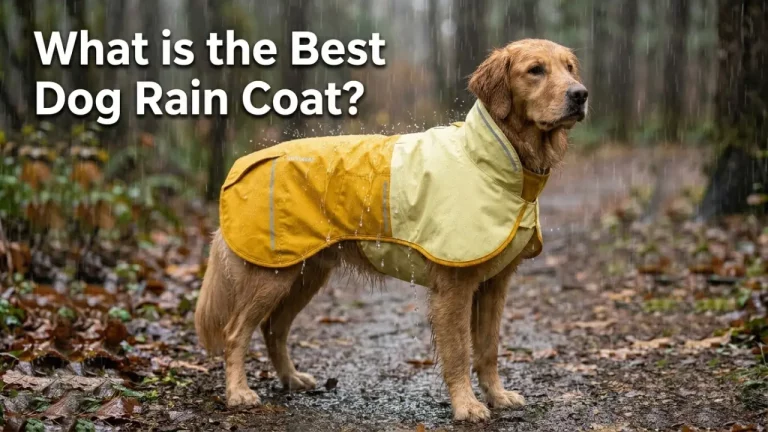
Waterproofing vs. Water Resistance: Fully waterproof boots use sealed seams and rubber or neoprene materials that block moisture completely, while water resistant uppers handle light slush but saturate in deep snow. For dogs in wet winter climates where cold rain and sleet combine regularly, pairing boots with a waterproof dog rain coat gives complete coverage of both body and feet during sustained wet conditions.
Traction and Sole Type: Rubber soles with deep lug patterns grip ice and compacted snow far better than flat foam soles. Vibram and high density rubber outsoles add a small amount of weight but pay that cost back in stability on sloped driveways and icy sidewalks.
Insulation: Waterproofing alone does not retain heat. Fleece or thermal liners add meaningful warmth in temperatures below 20 degrees F. In milder winters where temperatures stay between 20 and 40 degrees F, an insulated boot is optional rather than essential.
Closure System: Single Velcro closures work adequately for calm, low energy dogs. For active or resistant dogs, dual closures with a drawstring or elastic cuff significantly improve retention and reduce the chance of losing a boot during a walk.
Durability and Cleaning: Rubber soles and nylon uppers tolerate repeated exposure to road salt and chemical deicers without degrading quickly. Most boots rinse clean with water; fleece lined versions should air dry after each wash to preserve lining integrity over a full season.
Final Verdict: Which Dog Snow Boots Should You Choose
The right boot depends on temperature range, paw width, and how much resistance a dog shows toward wearing footwear.
- Best Overall: Ruffwear Grip Trex Dog Boots. Vibram traction, dual closure, and proven all weather durability across every winter condition most dogs face.
- Best Budget: QUMY Dog Boots Waterproof Shoes. Solid waterproofing, reflective trim, and flexible soles at a fraction of premium boot prices, making real paw protection accessible.
- Best for Extreme Cold: Muttluks Fleece Lined Dog Boots. Fleece insulation makes these the only boots on this list purpose built for sub zero temperatures that persist over multiple weeks.
- Best for Wide Paws: Ultra Paws Durable Dog Boots. Designed for flat paw breeds that standard snow boots cannot accommodate without pinching and causing early rejection.
- Best Lightweight: Pawz Waterproof Dog Boots. Minimalist rubber construction for dogs that reject strap based designs outright and need a low profile solution to accept boot wear at all.
Frequently Asked Questions
Should dogs wear shoes in the snow?
Yes. Below 20 degrees F, snow, ice, and road salt can damage paw pads quickly. Boots protect against frostbite, chemical burns from deicers, and cuts from sharp ice edges on frozen surfaces.
What are the best dog shoes for winter?
Ruffwear Grip Trex is the best overall option for most dogs. QUMY boots offer the best value at a lower price. Muttluks Fleece Lined boots perform best in extreme cold below 10 degrees F.
Do vets recommend dog shoes?
Most vets recommend boots for dogs walked on salted roads or in temperatures below 20 degrees F, especially for short coated, small, or senior dogs whose paw circulation is already reduced.
Are there any dog shoes that actually stay on?
Yes. Boots with dual closure systems, like Ruffwear Grip Trex, stay on far more reliably than single Velcro designs. Correct sizing plays as large a role as the closure type itself.
What temperature should a dog wear shoes at?
Consider boots when temperatures drop below 20 degrees F or when a dog walks on salted pavement, ice, or compacted snow for more than a few minutes regardless of air temperature.