


No products in the cart.
Do Dogs Need Coats in Winter? The Ultimate Safety Guide
Disclosure: By clicking on the product links in this article, My Pet World Store may receive a commission fee at no cost to you, the reader.
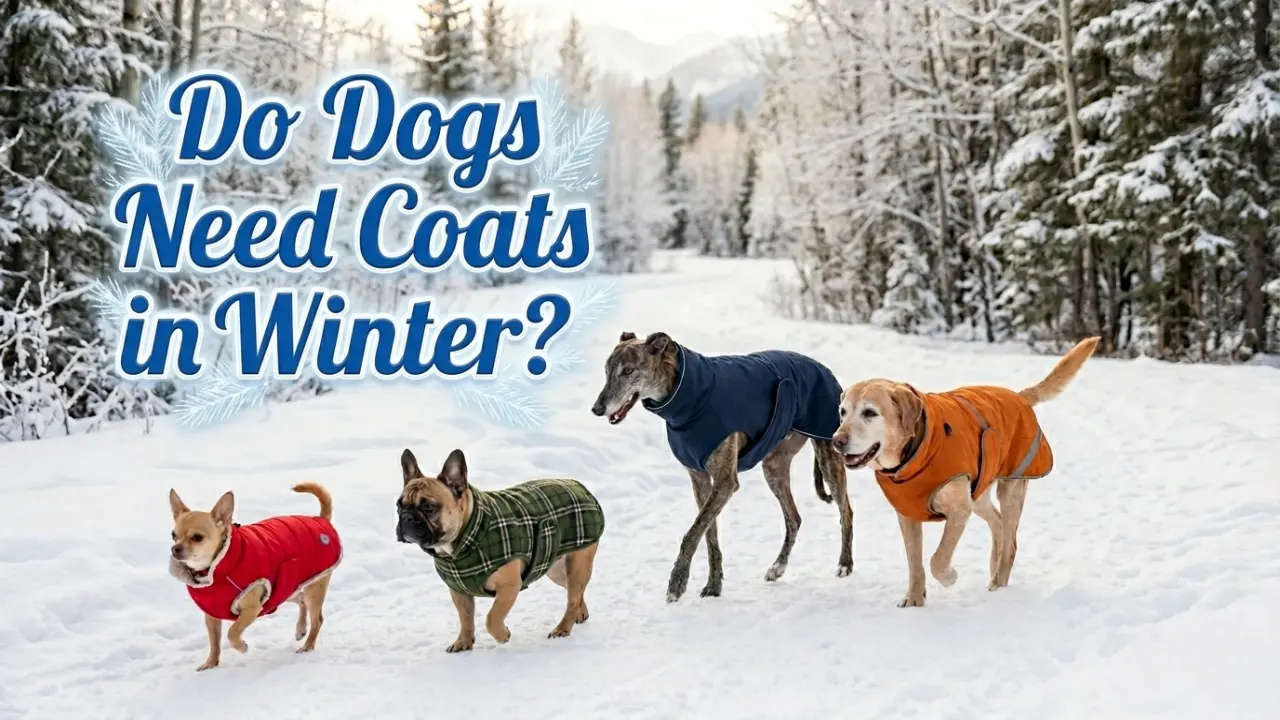
Most dogs need to wear coats in winter when temperatures drop below 45°F (7°C), especially small breeds, senior dogs, or those with thin fur. If your dog shivers, lifts their paws, or refuses to walk, they likely need a winter jacket to stay safe and warm during outdoor activities. Ensuring your pet has the right insulation prevents hypothermia and keeps their muscles limber during exercise.
Key Takeaways
- Temperature Threshold: Coats are generally needed when it drops below 45°F.
- Vulnerable Groups: Small breeds, puppies, and seniors require extra protection.
- Behavioral Cues: Shivering or lifting paws are clear signs a dog is cold.
- Layering: Moisture-wicking materials are best for snow and rain.
At What Temperature Do Dogs Need to Wear Coats?
While 45°F is the general threshold where “chilly” becomes “cold,” the exact timing of when should a dog wear a coat depends on the environment. If it is raining or snowing, the moisture can penetrate a dog’s fur and chill their skin much faster.
For many owners, winter clothes for dogs become necessary when the wind chill makes the air feel significantly colder than the thermostat suggests. If you are comfortable in a light jacket, your dog might be fine, but if you need a heavy parka, your dog almost certainly needs a layer too. For wet but milder days, you might consider a lighter dog rain coat to keep their fur dry without overheating.
Which Dog Breeds Need Winter Coats the Most?
Not all breeds are built for the snow. While a Husky or Alaskan Malamute has a thick double coat designed for sub-zero temperatures, many other breeds lack this natural protection.
Small Breeds and Short-Haired Dogs
Specific dog breeds that need winter coats include Chihuahuas, Greyhounds, and French Bulldogs. Because these dogs have less body mass and thinner fur, they lose body heat rapidly. Providing small dog clothes for winter is a practical way to extend their time outdoors and ensure they get enough exercise during the colder months.
Senior Dogs and Puppies
Older dogs often suffer from arthritis, which can be aggravated by the cold. Similarly, puppies have not yet developed the ability to regulate their body temperature effectively. For these groups, do dogs need to wear coats in winter? The answer is a firm yes, as it helps maintain joint health and prevents illness.
Visible Signs Your Dog is Too Cold
Even if your dog is a larger breed, they may still struggle with the elements. It is important to monitor their behavior during walks to ensure they are not reaching a dangerous body temperature.
- Physical Shivering: This is the most obvious sign that your dog’s core temperature is dropping.
- Postured Movement: A cold dog may hunch their back or tuck their tail tightly between their legs.
- Anxious Behavior: Whining, barking, or looking for a place to burrow indicates they are uncomfortable.
- Lifting Paws: If a dog is constantly lifting their paws off the ground, the surface is too cold for their pads.
Selecting Winter Dog Coats for Large Dogs and Small Breeds
When shopping for winter dog coats for large dogs, look for adjustable straps and durable materials. Large breeds like Great Danes or Boxers still need protection if they have short hair, but they require a fit that allows for a full range of motion. Checking a list of the best winter dog coats can help you find a durable option that balances style and utility.
- Waterproof Materials: Essential for snowy or slushy conditions.
- Reflective Strips: Critical for safety during the shorter, darker days of winter.
- Fleece Lining: Provides the best heat retention for the weight of the garment.
Whether you are looking for heavy insulation or light winter clothes for dogs, the goal is a snug fit that covers the neck and belly without being restrictive.
How to Measure Your Dog for a Proper Fit
A coat that is too tight can cause chafing, while one that is too loose will let cold air in. To ensure a comfortable experience, you can refer to a dog clothes size guide to match your pet’s dimensions with the correct apparel. To find the right size, you should measure three main areas:
- Topline: Measure from the base of the neck to the base of the tail.
- Girth: Measure the widest part of your dog’s chest, usually right behind the front legs.
- Neck: Measure the circumference of the neck where a collar usually sits.
A well-fitted coat should allow you to slide two fingers between the fabric and your dog’s skin comfortably.
Conclusion
Determining if do dogs need to wear coats in winter comes down to observing your pet’s behavior and understanding their breed’s physical limits. By providing the right gear, you ensure that winter walks remain a source of joy rather than discomfort. Keep a close eye on the thermometer and your dog’s energy levels to make the best choice for their health and safety.
Frequently Asked Questions
Do vets recommend coats for dogs?
Yes, veterinarians frequently recommend coats for small breeds, senior pets, and dogs with thin hair to prevent hypothermia and protect against joint pain caused by cold weather.
Do dogs get cold at night inside?
Some dogs can get cold at night, especially if your home temperature drops significantly or if they sleep near a drafty window. Short-haired breeds or seniors may benefit from a light sweater or a heated dog bed.
Do dog sweaters actually keep dogs warm?
Dog sweaters are excellent for dry, cold days and for use inside drafty homes. However, they are less effective in snow or rain because the material can soak up water and make the dog colder.
How cold is too cold for dogs without a jacket?
Most experts agree that temperatures below 32°F (0°C) are dangerous for many dogs without a jacket. At this point, frostbite on the ears and paws becomes a significant risk.
How can you tell if a dog is cold?
Common signs include shivering, whining, slowing down during walks, or repeatedly lifting their paws off the frozen ground. If your dog seeks shelter or tries to burrow under your clothes, they need a coat.
Best Winter Dog Coats for Cold Weather Protection
Jun 17, 2026
What is the Best Dog Rain Coat?
Jun 17, 2026