
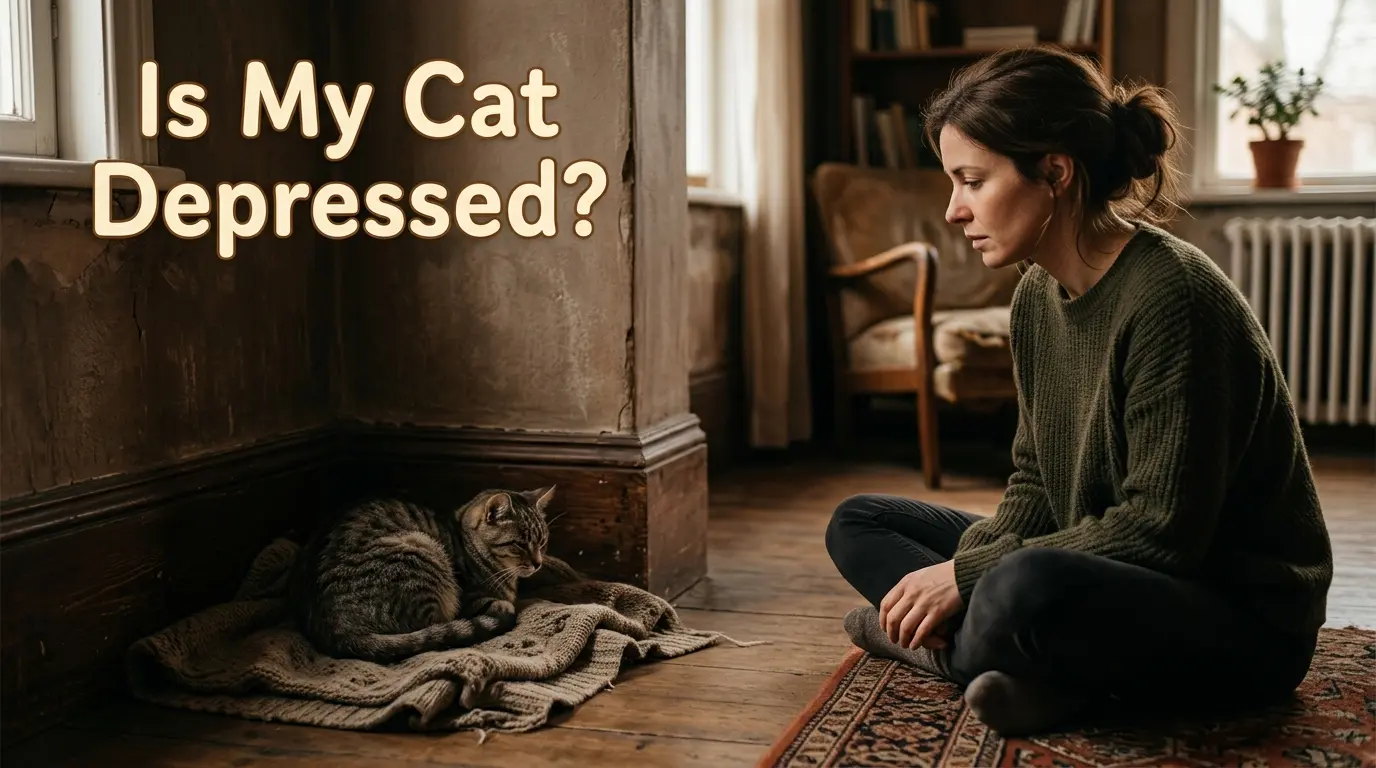
Yes, cats can experience depression, but the signs are easy to miss or confuse with illness. A depressed cat may eat less, sleep more than usual, and lose interest in play or affection. Before assuming your cat is depressed, it is important to look for the most telling behavioral changes and rule out any medical causes first.
Many owners notice signs my cat is depressed but assume their pet is simply being moody or independent. The truth is that a cat who seems sad or withdrawn for more than a week or two is telling you something is wrong. Whether the cause is emotional or physical, catching the problem early gives your cat the best chance of feeling like themselves again.
What Cat Depression Actually Looks Like
Cat depression is a genuine state of low mood and reduced motivation that affects how a cat eats, moves, plays, and interacts with people. Unlike humans, cats cannot tell you they feel sad, so their low mood shows up as behavior changes instead. Understanding what a depressed cat looks like helps you act quickly rather than waiting and wondering.
The tricky part is that many signs of feline depression overlap with symptoms of physical illness. A cat who is hiding more, grooming less, or eating poorly may be dealing with pain, an infection, or a hormonal issue rather than an emotional slump. That overlap is exactly why paying attention to the full picture matters so much.
Signs and Symptoms of Cat Depression to Watch For
The most reliable way to spot cat depression symptoms is to notice a clear change from your cat’s normal baseline behavior. A naturally quiet cat being quiet is not a red flag. The same cat suddenly refusing to greet you, skipping meals, or spending all day under the bed is a meaningful shift.
Watch for these common signs that a cat may be depressed:
- Reduced appetite or complete refusal to eat
- Sleeping far more than usual, especially in hidden spots
- Loss of interest in toys, play, or activities they previously enjoyed
- Withdrawal from people or other pets in the household
- Excessive vocalization such as low yowling or persistent meowing
- Neglected grooming leading to a dull or matted coat
- Increased grooming in one spot to the point of hair loss or irritation
- Elimination outside the litter box, which may signal stress or discomfort
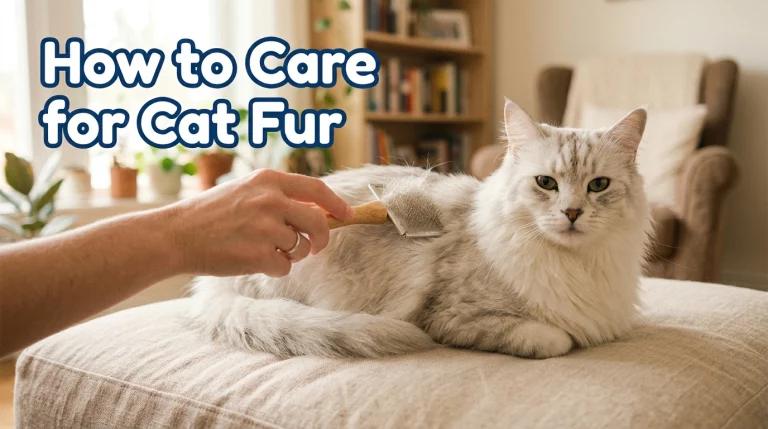
If your cat has stopped grooming, their coat may start to look matted or tangled. This is one of the more visible signs a cat is depressed, and it often worsens quickly without intervention. Gentle brushing with the right grooming tools for cats can help you monitor coat condition and maintain bonding time during recovery.
Conditions That Can Look Like Cat Depression
This is the section most online guides skip, and it matters more than any other. Many of the signs and symptoms of cat depression are identical to the early warning signs of physical illness. A cat who seems emotionally low may actually be dealing with a medical problem that needs treatment, not behavioral support.
Before concluding your cat is depressed, a vet should rule out the following conditions:
- Hyperthyroidism or hypothyroidism: Both affect energy levels and appetite significantly
- Dental pain: A cat with a sore tooth will stop eating and become withdrawn quickly
- Arthritis: Painful joints make movement and play unappealing, mimicking low mood
- Kidney disease: Causes fatigue, reduced appetite, and hiding behavior
- Urinary tract infections: Can cause litter box avoidance, which owners often read as behavioral
- Parasites: A heavy parasite load drains energy and affects a cat’s overall demeanor
If your cat is also urinating on bed, this combination of symptoms deserves a vet appointment promptly rather than a wait and see approach.
Common Causes of Feline Depression
Once illness has been ruled out, the next step is identifying the emotional trigger. Cats are creatures of habit, and signs of depression in cats most often appear after a meaningful change to their environment or social world.
Loss or Separation
The loss of a companion, whether human or animal, is one of the most common triggers of genuine low mood in cats. A cat who has lost a bonded housemate may search the home repeatedly, vocalize more than usual, and become disinterested in food. This type of grief response is real and can last several weeks.
Major Household Changes
Moving home, a new baby, a new pet, or even significant renovation work can shift a cat’s emotional baseline. Cats thrive on predictability, and anything that disrupts their routine, territory, or sense of security can trigger withdrawal and low mood. The same cat who is sociable and playful may become a ghost after a major disruption.
Boredom and Under Stimulation
Indoor cats in particular can develop low mood when their environment offers little variety or challenge. A cat that spends most of its day alone without cat toys and enrichment may gradually become disengaged and listless. This is one of the most preventable causes of feline depression.
Owner Absence or Routine Changes
Cats bond more deeply with their owners than many people realize. A change in your work schedule, a long trip, or reduced interaction time can visibly affect a cat’s emotional state. Even a new busy period at work that cuts into your usual evening play time can show up in your cat’s behavior within days.
How to Help a Cat That Seems Depressed
The right approach to depressed cats treatment at home depends on the cause. If the vet has cleared your cat of any medical issues, these practical steps can help restore their emotional wellbeing over time.
- Restore routine. Cats feel safest when feeding, play, and sleep happen at predictable times. If your schedule has shifted, rebuilding a consistent daily rhythm is the single most effective first step.
- Increase interactive play. Short, regular play sessions using wand toys or laser pointers give your cat both mental stimulation and time with you. Aim for two sessions daily, ideally ten to fifteen minutes each.
- Create a comforting space. Give your cat access to a warm, quiet spot they can call their own. A well chosen comfortable cat bed placed near a window can provide both security and environmental enrichment through watching the outside world.
- Enrich the environment. Rotate toys, add a cat tree near a window, or set up a bird feeder outside for your cat to watch. Environmental variety goes a long way in preventing and reversing boredom related low mood.
- Offer gentle social interaction. Do not force affection. Sit near your cat, speak softly, and let them approach on their terms. Forcing contact when a cat is withdrawn can increase their stress rather than help.
When to See a Vet About a Depressed Cat
Home support is a good first response, but some situations require professional guidance. Contact your veterinarian if your cat:
- Has not eaten for more than 24 to 48 hours
- Is losing weight alongside the behavioral changes
- Shows signs of physical pain such as limping, hunching, or flinching
- Has not improved after two weeks of home enrichment and routine restoration
- Is showing sudden, extreme personality changes with no obvious cause
A vet visit for a potentially depressed cat should always happen before starting any supplemental treatments. Some calming products sold for cats are helpful, but others are not appropriate for every cat, especially those with underlying conditions.
Final Thoughts
If you have been asking yourself is my cat depressed, the most important thing you can do right now is observe carefully and act early. A withdrawn, quiet, or low energy cat is trying to communicate something, whether it is a medical issue, an emotional disruption, or simply a need for more stimulation and connection.
Most cats respond well when the underlying cause is identified and addressed. Restoring routine, increasing enrichment, and spending calm, consistent time with your cat are the foundations of recovery. And if things do not improve within a couple of weeks, your vet is always the right next step.
Every cat is unique. What helps one may not help another, and some cats need professional support to get back to their best. Trust your instincts as an owner, keep paying attention, and do not hesitate to seek guidance when you need it.
Frequently Asked Questions
How do you cheer up a depressed cat?
Add more play sessions and interactive toys, restore a consistent daily routine, and spend extra quiet time with your cat. If the low mood persists beyond two weeks or your cat stops eating, contact your vet to rule out an underlying illness.
What is the 3-3-3 rule with cats?
The 3-3-3 rule describes how long a newly adopted cat may need to settle in. The first 3 days can feel overwhelming, the next 3 weeks are spent learning the home routine, and the full 3 months allow the cat to feel truly comfortable. Low mood during this window is normal and usually improves with patience.
Do cats cuddle when they are sick?
Some cats do seek more contact when unwell, while others hide and withdraw entirely. A sudden increase in clinginess combined with other symptoms like lethargy or appetite loss is worth mentioning to your vet, as it can signal illness rather than an emotional change.
How to make a cat feel better?
Offer enrichment through play, puzzle feeders, and window perches. Keep feeding and sleeping times consistent, and minimize household disruptions. If your cat is not improving within a week or two, a vet visit will help identify whether the cause is medical or behavioral.
Are indoor cats depressed?
Indoor cats can develop low mood if they lack sufficient stimulation, social interaction, or environmental variety. Providing climbing structures, rotating toys, and daily interactive play sessions helps indoor cats stay mentally and physically engaged. Regular enrichment prevents many cases of feline boredom and low mood.