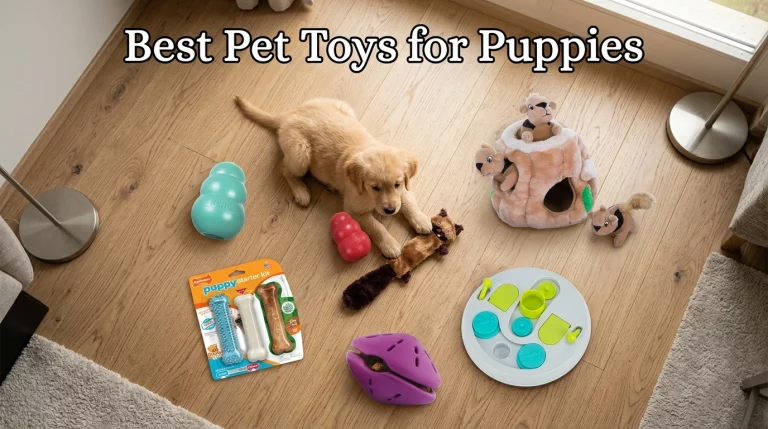

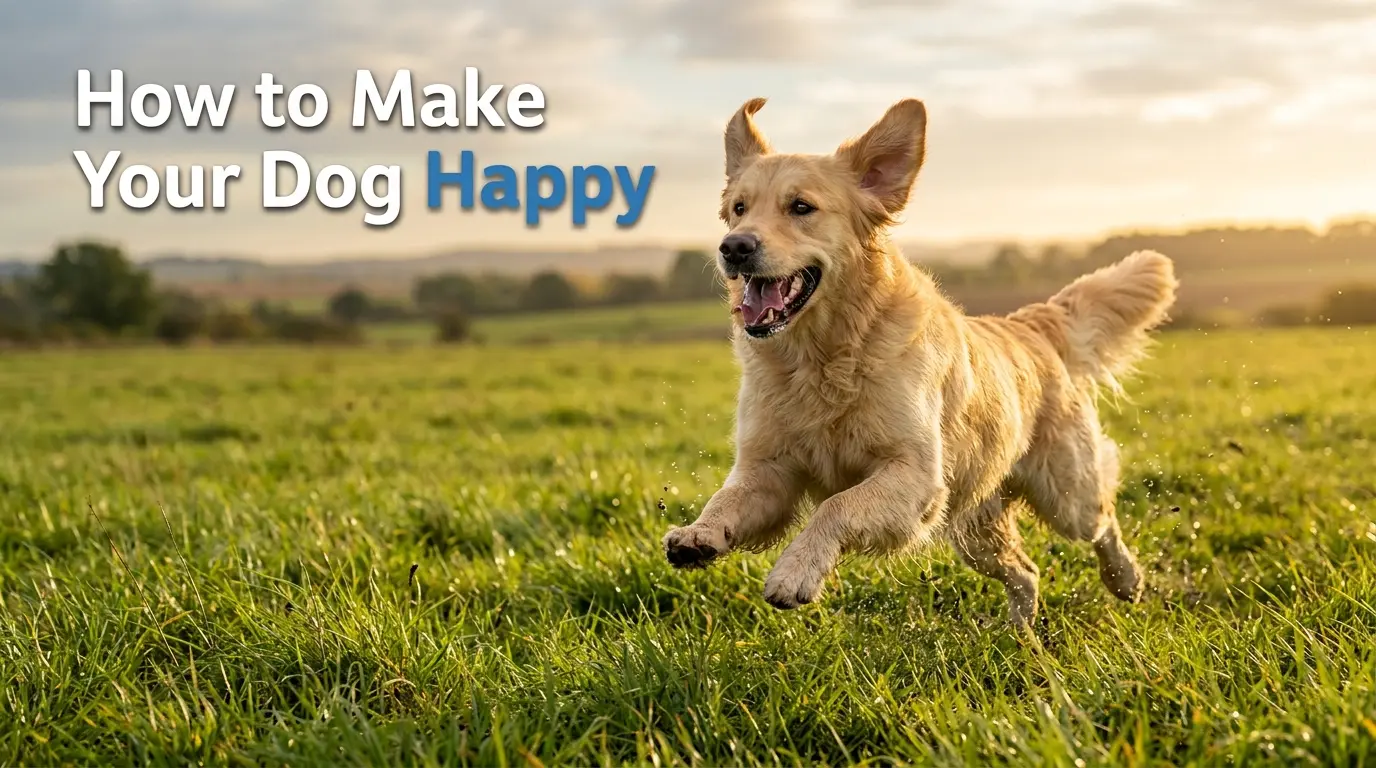
Making a dog happy comes down to meeting four core needs: daily exercise, mental stimulation, genuine social connection, and a stable routine. Treats and toys are helpful tools within a bigger picture, but they are not the picture itself. Dogs that feel happy are calmer at home, easier to live with, and show far fewer destructive or anxious behaviors. Understanding what genuinely drives a dog’s well being makes every single day better for both of you.
If you have ever wondered how to make your dog happy, you are already ahead of most pet owners. A happy dog is not simply a dog that gets treats. It is a dog whose physical needs are met, whose mind stays active, and who feels connected to the people it lives with. This article walks through every layer of what dogs actually need to thrive, from the basics that often get skipped to the subtle signals that tell you when something is off.
Many owners focus on buying the latest gear but overlook the fundamentals that dogs value most. Skipping daily exercise, ignoring boredom, and running an unpredictable schedule are three of the most common mistakes. The good news is that most of what makes a dog genuinely happy costs very little and takes less time than most people expect.
Daily Exercise Is the Foundation of a Happy Dog
Dogs are built to move. A dog that gets daily walks feels calmer, sleeps better, and shows far fewer destructive behaviors at home. Movement is not a luxury for dogs; it is a biological requirement.
The amount of activity a dog needs depends on its breed, age, and health. High energy breeds like Border Collies or Vizslas may need 90 minutes or more of movement each day. Calmer breeds like Basset Hounds or Bulldogs are often satisfied with 30 to 45 minutes. Most healthy adult dogs do best with at least two walks per day, one in the morning and one in the evening.
Signs your dog is not getting enough physical activity are hard to miss:
- Chewing furniture or household items that are not toys
- Barking or whining without a clear outside trigger
- Jumping, spinning, or running laps indoors for no reason
- Restlessness at night or an inability to settle during calm periods
Physical activity also supports healthy weight, joint function, and cardiovascular health. A fit dog is almost always a happier dog, and the benefits extend well beyond burning off energy.
Mental Stimulation Prevents Boredom and Builds Confidence
Exercise tires a dog’s body. Mental stimulation tires the mind. Both are necessary for a genuinely content dog, and skipping one while only providing the other leaves a real gap. Puzzle feeders, scent games, and rotating interactive dog toys give a dog something to figure out, which satisfies a need that a simple walk cannot.
This kind of engagement is especially important on days when outdoor time is limited by weather, illness, or a busy schedule. A dog left alone without mental engagement will find its own entertainment, and that entertainment rarely leaves the house looking its best.
How to Add Mental Stimulation to a Dog’s Day
- Use a puzzle feeder or snuffle mat at mealtime instead of a standard food bowl.
- Hide small pieces of food around the house and let the dog sniff them out.
- Rotate toys every few days so each one feels new and interesting.
- Practice short training sessions of five to ten minutes daily.
- Allow the dog to stop and sniff freely on walks rather than moving at a constant pace.
Mental exercise can be just as tiring as physical effort for many dogs. A ten-minute scent game can calm an overstimulated dog faster than a long run, which makes it a powerful tool on days when full outdoor exercise is not possible.
Social Connection and Attention Are What Dogs Value Most
Dogs are social animals. They have spent thousands of years evolving alongside humans, and genuine connection with their owners is one of the most important sources of happiness for most dogs. This is not about entertaining a dog every waking hour; it is about making the time you give count.
Eye contact, calm physical contact, and steady verbal communication all signal safety and trust to a dog. Research shows that dogs can read human facial expressions more accurately than most people realize, which means how you present yourself in a dog’s presence matters as much as what you do.
What “I Love You” Looks Like in Dog Language
In dog language, affection looks like a relaxed body, a soft gaze, and proximity without pressure. Slow blinking, a loose wagging tail, and leaning into contact are all signs a dog feels safe and loved. When you mirror this calm energy, a dog reads it as reassurance rather than excitement. Dogs respond positively to genuine smiles from familiar people, picking up on the relaxed facial muscles and soft eyes that accompany them.
How to Tell a Dog You Love It Without Words
- Sit beside it quietly without demanding that it come to you or perform.
- Let it approach on its own terms rather than always reaching toward it.
- Speak in a calm, even tone rather than a high pitched or frantic voice.
- Give long, steady strokes along the back rather than quick pats on the head.
- Make soft eye contact during relaxed moments, then look away gently.
A Consistent Routine Reduces Anxiety and Builds Trust
Dogs are creatures of habit. Knowing when to expect food, walks, play, and rest creates a sense of predictability that lowers overall stress levels significantly. Anxious behaviors like pacing, whining, and destructive chewing often reduce on their own once a dog has a reliable daily structure in place.
The 7 7 7 rule, which refers to exposing a puppy to seven new people, seven new places, and seven new experiences during its first seven weeks of socialization, reflects just how early routine and exposure shape a dog’s emotional foundation for life. Adult dogs benefit from consistent scheduling just as much. Feeding at the same times, walking at predictable intervals, and maintaining a clear bedtime all contribute to a calmer, more settled temperament over time.
If life requires schedule changes, introduce them gradually rather than all at once. Even small disruptions to a dog’s expected routine can trigger short bursts of stress behavior, especially in anxious breeds.
Nutrition Directly Affects a Dog’s Mood and Energy
What a dog eats affects how it feels, both physically and mentally. Poor nutrition leads to low energy, irritability, coat problems, and digestive discomfort. All of these factors affect happiness in ways that are easy to overlook when looking for behavioral solutions.
A slow feeder bowl is a simple addition that extends mealtime, reduces gulping, and gives a dog more time engaged in a natural feeding behavior. Dogs that eat too quickly often experience discomfort shortly after meals, which affects activity levels and overall mood for hours afterward.
Signs the current diet may not be serving a dog well include:
- Loose stools or chronic digestive upset after meals
- A dull, brittle, or patchy coat that does not respond to brushing
- Noticeably low energy throughout the day without another clear cause
- Excessive shedding beyond normal seasonal patterns
- Seeking out non-food items to chew or eat repeatedly
A veterinarian is the right first call before making significant changes to a dog’s diet, especially for dogs with existing health conditions or known food sensitivities. Getting nutrition right is one of the highest-return investments in a dog’s long term happiness.
Rest and a Comfortable Sleep Space Support Overall Well Being
A tired, uncomfortable dog is not a happy dog. Sleep is when a dog’s brain processes the events of the day, consolidates new learning, and allows the body to repair itself. Skimping on rest affects mood, trainability, and physical health in ways that compound quickly.
A supportive dog bed placed in a quiet, low traffic corner gives a dog a dedicated space to decompress fully. Some dogs feel most secure in an enclosed or partially covered sleeping area, while others prefer an open space with good airflow. Observing where a dog naturally gravitates to rest will tell you which type suits it best.
Adult dogs sleep between 12 and 14 hours per day on average. Puppies and senior dogs often need even more. A dog that seems restless at night or sleeps far less than this may be experiencing physical discomfort, unmet stimulation needs during the day, or anxiety that has not yet been addressed.
Positive Training Builds Confidence and Deepens the Bond
Training is not just about obedience. It is one of the most effective ways to make a dog happy, because a trained dog understands what is expected and feels more confident navigating daily life as a result.
A dog that understands the “no” command clearly experiences less confusion and fewer corrections throughout the day. That clarity reduces ongoing stress and contributes to a more relaxed temperament over weeks and months of consistent practice.
How to Build a Positive Training Routine at Home
- Use high value treats during sessions to keep motivation strong and the dog engaged.
- Keep each session short, five to ten minutes, and always end on a successful moment.
- Mark correct behavior immediately with a word like “yes” or a clicker, then reward within two seconds.
- Avoid repeating a command more than once. If the dog does not respond, simplify the task and try again.
- Celebrate progress at every level, not just final results.
Dogs trained with positive reinforcement show more enthusiasm, stronger recall under distraction, and a noticeably deeper bond with their owners compared to dogs trained through punishment based methods. The sessions themselves become something a dog looks forward to, which adds meaningful enrichment to its daily routine.
Reading Body Language Lets You Meet Needs Before Problems Start
A dog communicates constantly through body language. Learning to read those signals means you can address a need before it escalates into barking, snapping, or destructive behavior. This is one of the most practical skills a dog owner can develop, and it pays off in fewer conflicts and more trust.
Here is what common body language signals actually mean:
- Tail tucked low: The dog feels fearful or uncomfortable. Remove it from the stressor calmly if possible.
- Yawning in a non-tired context: A stress signal. The dog is trying to calm itself or signal a need for space.
- Hard stare with a stiff body: Arousal or a warning. Give the dog space and look for the trigger.
- Play bow (front down, rear up): An invitation to play. This is one of the clearest happiness signals a dog gives.
- Rolling over and exposing belly: Trust and comfort. This is not always a request for a belly rub; often it is simply deep relaxation.
- Slightly open mouth with a relaxed jaw: Contentment. The dog is at ease in its current environment.
Responding to these signals correctly builds a communication loop where the dog learns that expressing a need produces a calm, helpful response. Over time, this builds the kind of trust that makes training easier and living together genuinely enjoyable for both sides.
Frequently Asked Questions (FAQ)
What is “I love you” in dog language?
Dogs express love through slow blinking, soft eye contact, and relaxed body posture. When a dog rests its head on you, leans into you, or stays close without demanding attention, these are signs of deep affection and trust between a dog and its owner.
What is the 7 7 7 rule for dogs?
The 7 7 7 rule refers to socializing a puppy by introducing it to seven new people, seven new places, and seven new experiences during its first seven weeks of socialization. This early exposure helps build confidence and reduces fear based behaviors throughout adulthood.
How do I tell my dog I love him?
Speak calmly, offer relaxed physical contact, and give the dog space to approach you on its own terms. Soft eye contact, gentle strokes along the back, and a consistent daily care routine are more meaningful to a dog than dramatic expressions of emotion.
How to make a dog laugh?
Dogs do not laugh the way humans do, but they express joy through play bows, open relaxed mouths, and full body wiggles. Initiating play, making gentle silly sounds, or running together often triggers these happy responses in an engaged dog.
Do dogs like when humans smile?
Yes. Research confirms that dogs can read human facial expressions and respond positively to a genuine smile from a familiar person. A relaxed, open expression signals to the dog that the environment is safe and the person nearby is friendly.