
Best Brushes for Long Haired Cats: The Right Brush Matters
The best brush for long haired cats is the Hertzko Self Cleaning Slicker Brush, and what separates it from the rest is how effectively its fine bent-wire bristles penetrate long coats without scratching the skin. Long haired breeds like Maine Coons, Persians, and Ragdolls tangle faster than most owners expect, and using the wrong tool tends to make mats worse rather than better. The picks below cover every grooming need, from daily maintenance to serious mat removal, so you can match the right brush to your cat before the knots take hold.
A brush only works as well as the grooming routine behind it, and long haired cats typically need attention several times a week to stay tangle-free. If mats have already formed near the skin or around the collar area, keeping sharp grooming tools on hand for coat prep makes the brushing process noticeably smoother. The products below are all available on Amazon, vet-endorsed or widely recommended, and have the review counts to back up their claims.
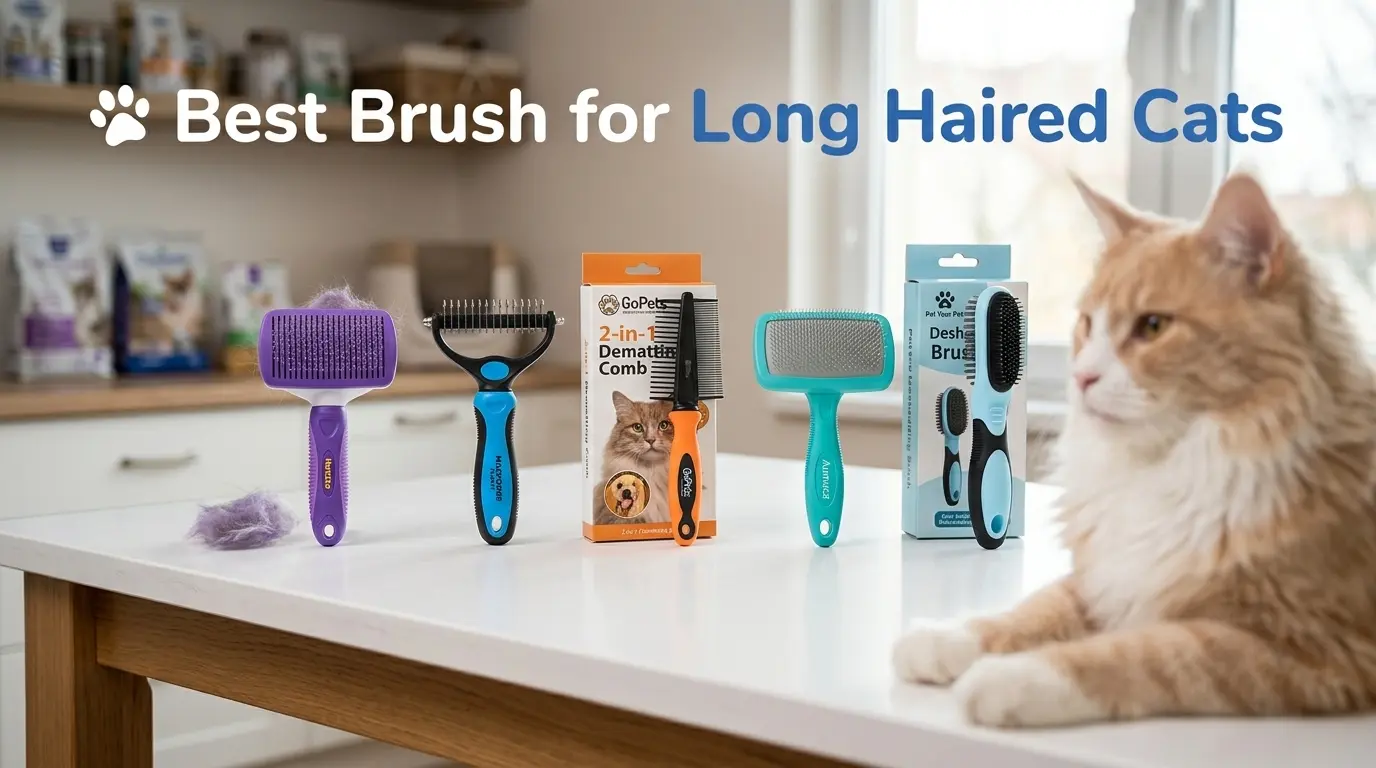
Quick Comparison: Best Brushes for Long Haired Cats
| Product | Key Feature | Link |
|---|---|---|
| Hertzko Self Cleaning Slicker Brush | Retractable bristles, gentle on skin | Check Price |
| Maxpower Planet Dematting Rake | Dual-sided 9/17 teeth design | Check Price |
| GoPets 2-in-1 Dematting Comb | Double-sided undercoat precision | Check Price |
| Aumuca Skin Friendly Slicker | Skin-safe pins, easy clean button | Check Price |
| Pat Your Pet Deshedding Brush | Double-sided, budget-friendly | Check Price |
1. Hertzko Self Cleaning Slicker Brush
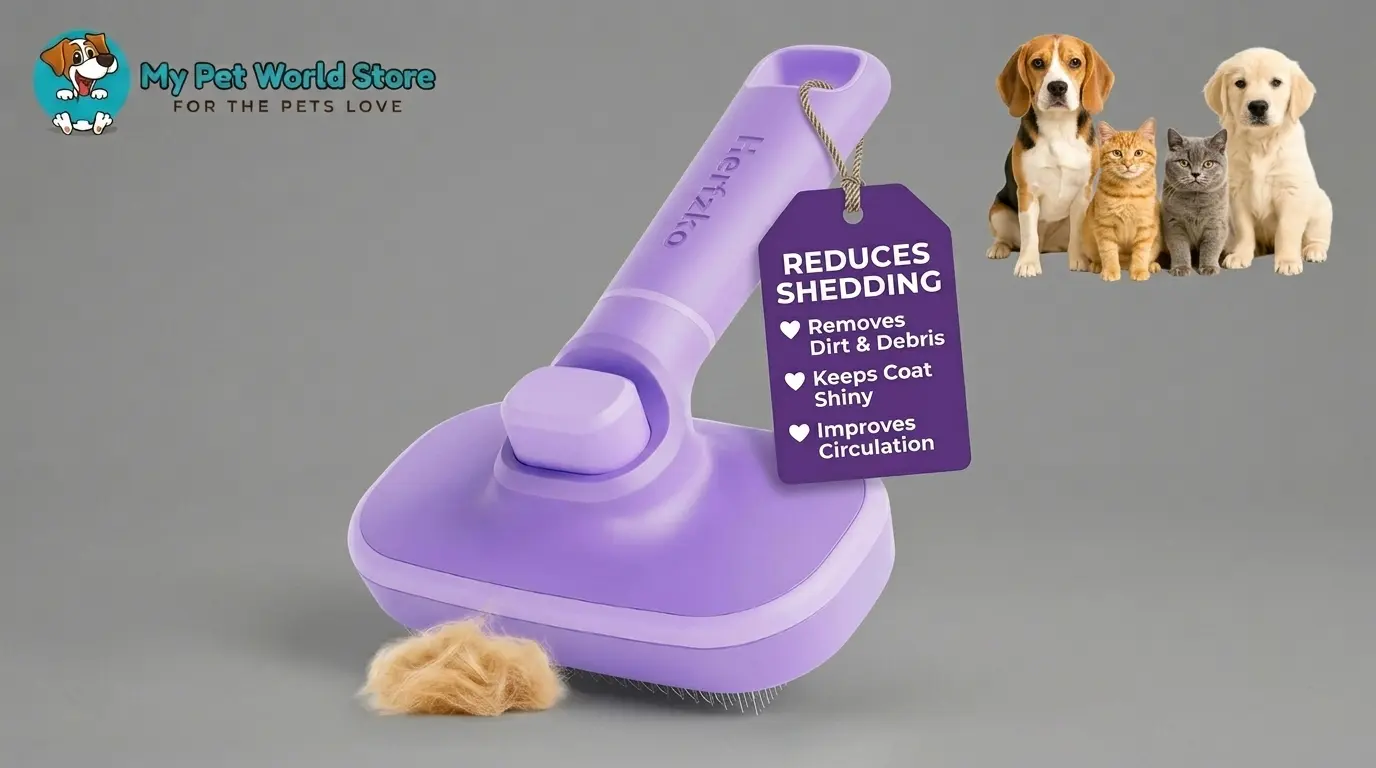
The Hertzko slicker has become the go-to brush for long haired cats because its fine angled wire bristles work through even dense undercoats without dragging or causing discomfort, and the single-button retract system makes cleanup effortless between sessions. It handles daily detangling well and does not leave the coat looking ruffled the way stiffer brushes sometimes do. What stood out most is how consistently cats tolerate it, including coat-sensitive breeds that tend to resist grooming tools.
★ Why We Picked ItAngled bristles and self-cleaning design make this the most versatile daily brush for long haired cats.
Pros
- Fine bent-wire bristles remove loose hair and tangles without scratching
- Push-button retraction clears collected fur in seconds
- Comfortable non-slip grip reduces hand fatigue during longer sessions
Cons
- Not the right tool for established mats that need cutting through
- Slightly firmer than needed for cats with very delicate skin
2. Maxpower Planet Double-Sided Dematting Rake
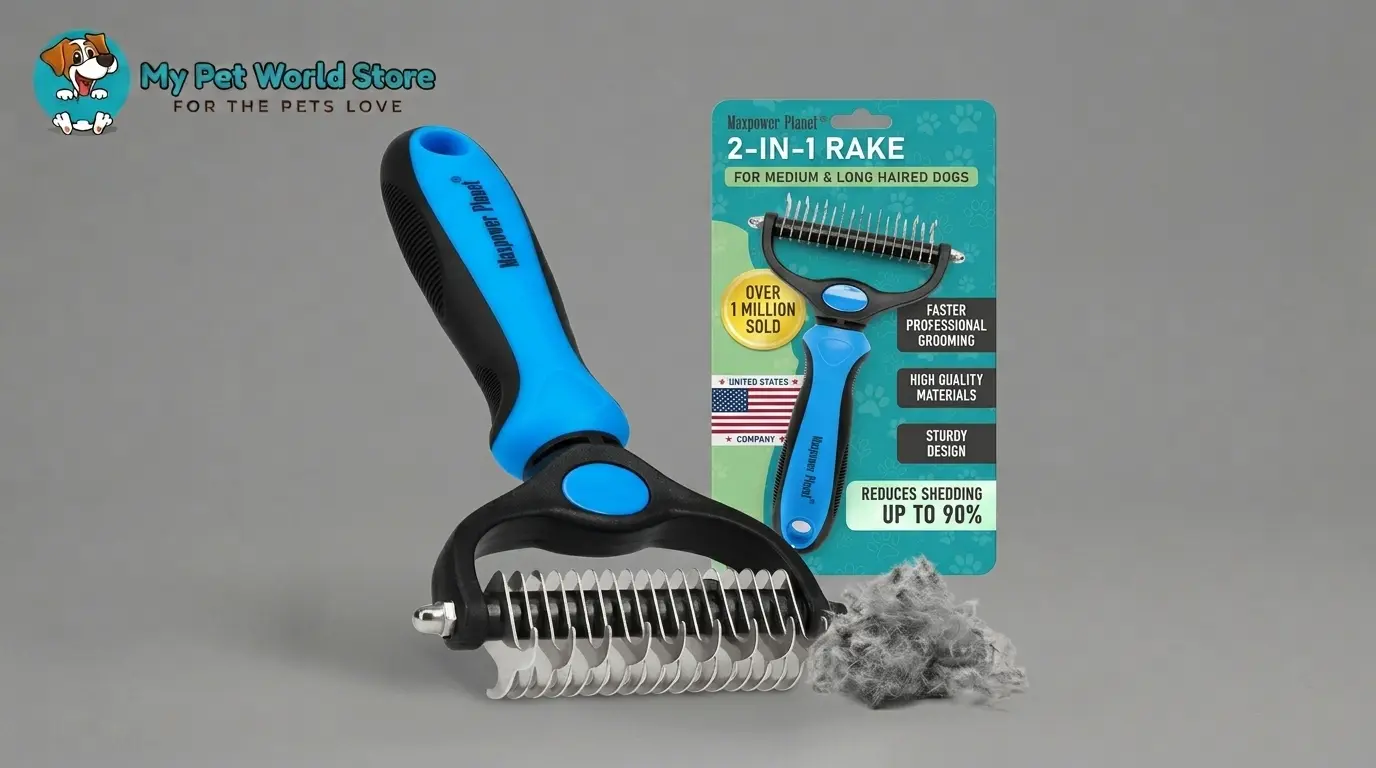
The Maxpower Planet rake is a dual-sided undercoat tool with a nine-tooth side for cutting through mats and a seventeen-tooth side for general deshedding, which makes it particularly useful when a long haired cat has reached the point where a standard slicker brush is no longer getting through the coat. Long haired cats that spend time on textured surfaces, like wool blankets or upholstered furniture, tend to develop mats faster, and this rake addresses them directly without needing a grooming appointment. The wide head also covers more surface area per stroke than most brushes, which cuts session time down noticeably.
★ Why We Picked ItThe dual-sided design handles both mats and loose undercoat, making it the most effective tool for heavily tangled long coats.
Pros
- Nine-tooth dematting side cuts through thick tangles and matted areas
- Extra-wide head reduces the number of strokes needed per session
- Rounded teeth prevent skin scratching during mat removal
Cons
- Should be used gently on thinner coated areas and near joints
- Not suited for daily maintenance brushing on sensitive cats
3. GoPets 2-in-1 Dematting Comb
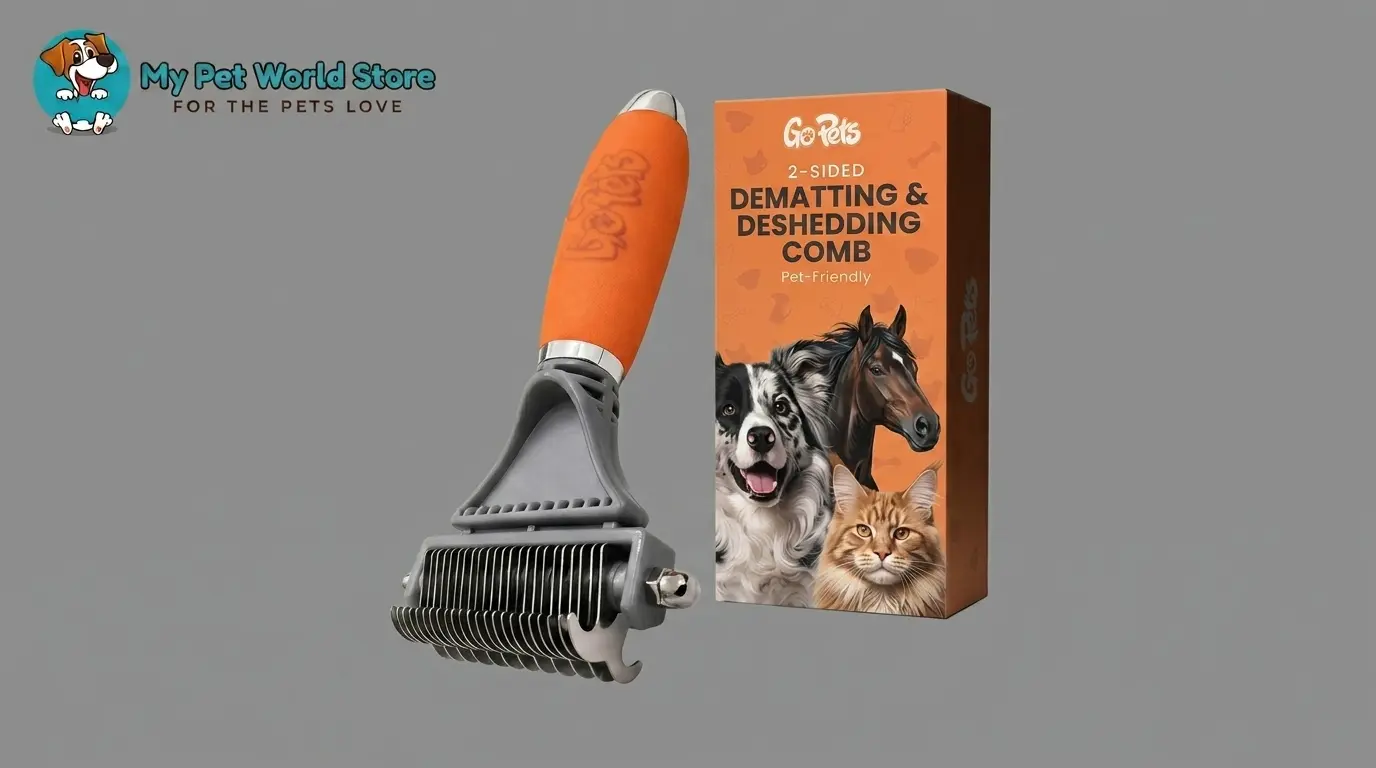
GoPets built this comb specifically with long, dense coats in mind, using precision blades that glide through the undercoat without the tugging that causes most cats to pull away mid-session. The double-sided design handles both detangling passes and finish grooming, so it works well as a follow-up tool after using a slicker on the top coat. Breeds like Norwegian Forest Cats and Siberians, where the undercoat is as thick as the outer coat, respond particularly well to this kind of pin geometry.
★ Why We Picked ItPrecision blades and a double-sided layout make this the most effective comb for thick, heavily layered long coats.
Pros
- Comfortable ergonomic handle reduces wrist strain in longer sessions
- Works well for senior or anxious cats due to its smooth, non-aggressive feel
- Handles both detangling and finish grooming in one tool
Cons
- Takes a few sessions to learn the right pressure for efficient mat removal
- Not as fast on loose surface shedding as a slicker brush
4. Aumuca Skin Friendly Self-Cleaning Slicker Brush
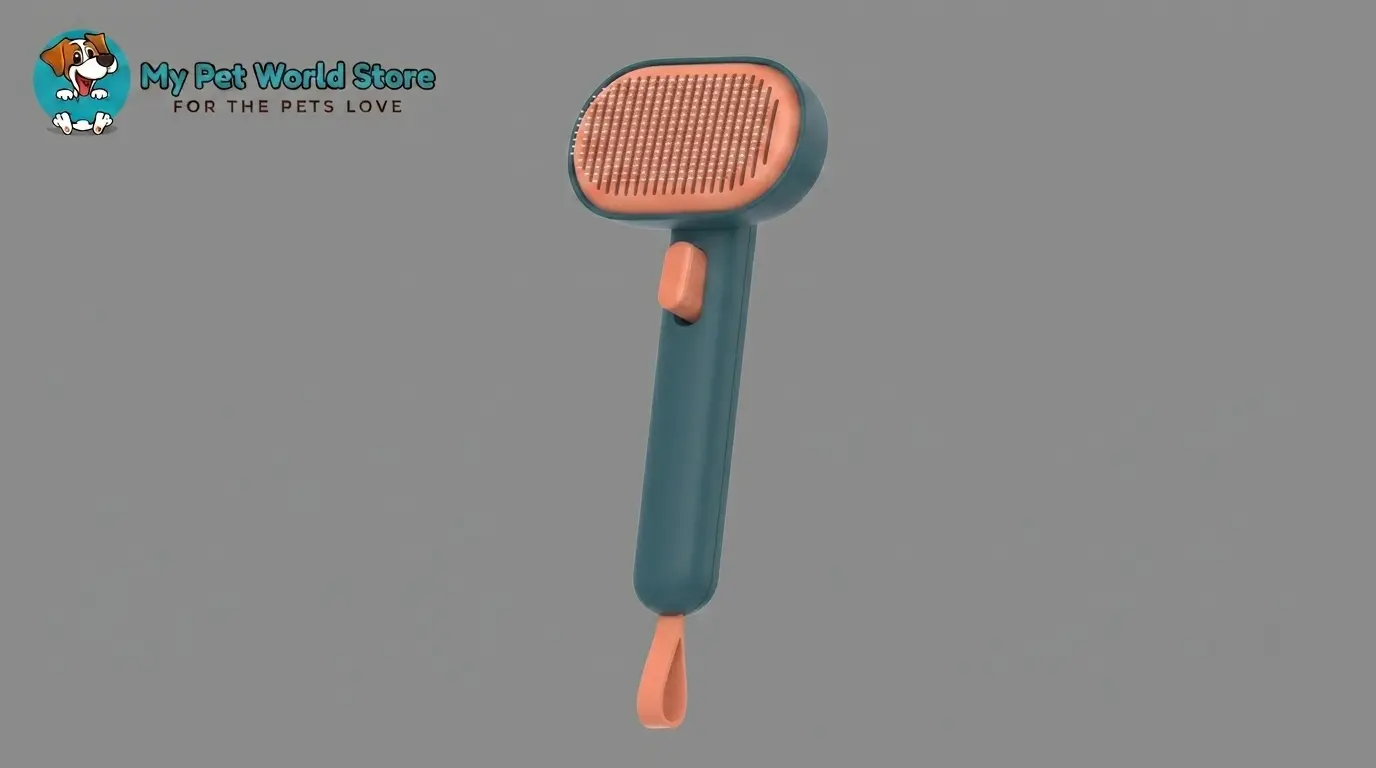
Aumuca designed this brush specifically with skin sensitivity in mind, using pins that are gentle enough for cats that typically back away from grooming tools but firm enough to actually move through a long coat and collect loose fur. The self-cleaning button works the same way as the Hertzko model, releasing collected hair with a single press, which matters when grooming a long haired cat that drops significant amounts of fur per session. It works best as a daily maintenance brush for cats that are not yet dealing with serious mats but need frequent coat management to stay that way.
★ Why We Picked ItSofter pin geometry and easy cleanup make this the right choice for cats that resist most grooming tools.
Pros
- Skin-safe pins reduce irritation on cats with sensitive or thin skin
- One-click hair release keeps the brush effective throughout the session
Cons
- Less effective on established mats than a rake or dematting comb
- Better suited for thinner long coats than extremely dense double coats
5. Pat Your Pet Double-Sided Deshedding Brush
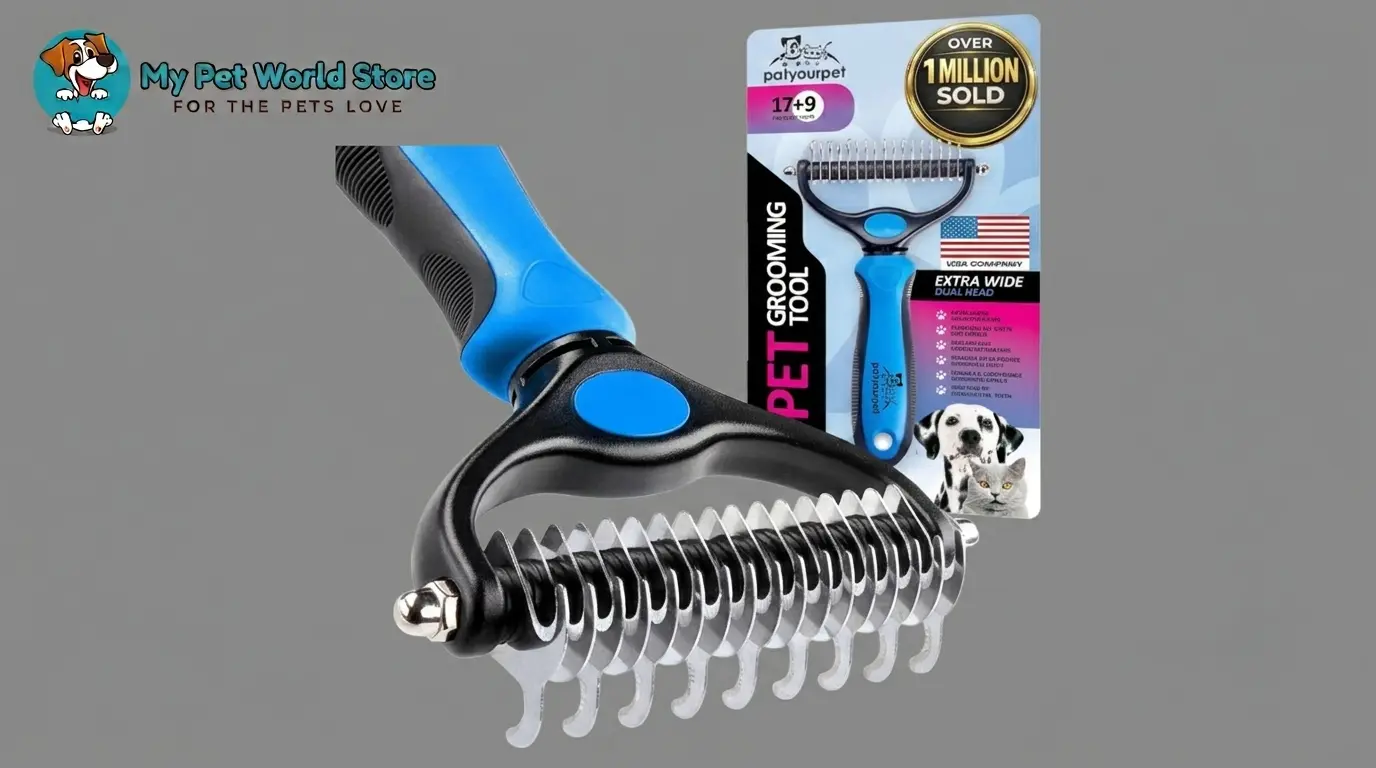
Pat Your Pet offers a double-sided deshedding and grooming tool at a price point that makes it the easiest entry into long coat care without committing to a premium brush. One side handles the coarser undercoat work while the other finishes the top coat, giving it enough range to manage a long haired cat’s routine grooming needs without additional tools. It is a solid starting point for new cat owners figuring out what their cat tolerates before spending more.
★ Why We Picked ItDual-sided coverage at a budget price makes this the most accessible starting tool for new long haired cat owners.
Pros
- Both sides address different grooming tasks in a single low-cost tool
- Skin-friendly design works for cats with varying coat textures
Cons
- Lacks the build quality of premium options for very frequent use
- Not suitable for heavy mat removal
What Kind of Brush Is Best for Long Haired Cats?
A slicker brush is the best everyday brush for long haired cats, but most owners also need a dematting comb or rake for when tangles build up near the undercoat. Slicker brushes with fine angled pins handle daily loose hair and light detangling well, while a double-sided rake becomes necessary when the coat develops thicker knots. For cats with very dense coats like Persians or Maine Coons, using both tools in sequence, starting with the rake on problem areas and finishing with a slicker, gives the best results. A broader look at grooming tools for long haired cats covers how each tool type fits into a full coat care routine.
How Often Should You Brush a Long Haired Cat?
Long haired cats should be brushed at least three to four times per week, and daily brushing is ideal for breeds prone to matting like Persians and Himalayans. The more frequently you brush, the shorter each session needs to be, because loose hair and surface tangles never have a chance to work their way into the undercoat. Cats that go several days without grooming tend to develop knots that require a dematting tool rather than a slicker, which takes more time and is less comfortable for the cat. Starting a grooming routine early and keeping sessions short and positive helps most cats accept brushing as a normal part of their day.
What Brush Do Vets Recommend for Cats?
Vets most commonly recommend slicker brushes with fine, flexible pins for general cat grooming, particularly for long haired cats where undercoat removal matters as much as surface detangling. Brands like Hertzko come up frequently in vet recommendations because the pin flexibility reduces the risk of skin irritation during regular use. For cats that already have mats, vets generally advise a dematting comb rather than trying to force a slicker brush through the knot, since that approach tends to cause pain and can damage the skin. Keeping the coat on a regular maintenance schedule alongside nail trimming makes grooming sessions more manageable overall.
Buying Guide: What to Look for in a Brush for Long Haired Cats
- Bristle type: Fine angled wires work best for long coats. Avoid stiff or widely spaced pins that skip over the undercoat.
- Tool type: Slicker brushes for daily maintenance. Dematting rakes or combs for knot-prone coats or breeds with dense undercoats.
- Self-cleaning mechanism: A retractable pin or push-button release saves time during sessions with heavy shedding cats.
- Handle comfort: Non-slip rubber grips reduce hand fatigue when brushing thick coats that take several minutes per session.
- Head size: Wider brush heads cover more coat per stroke, which helps on larger breeds like Maine Coons or Ragdolls.
- Skin sensitivity: Cats with thin or sensitive skin need softer pin tips. Rounded teeth on rakes reduce scratching risk significantly.
- Coat thickness: Dense double coats need tools specifically rated for undercoat work. Surface-only brushes will not get through the full depth.
- Frequency of use: Premium materials hold up better to daily use. Budget brushes work for occasional grooming but may wear faster with frequent sessions.
Frequently Asked Questions
What is the best brush for a long haired cat?
The Hertzko Self Cleaning Slicker Brush is the best brush for long haired cats for everyday use, thanks to its fine angled bristles that work through the undercoat without causing discomfort. For cats with existing mats, pairing it with a dematting rake like the Maxpower Planet gives better results than a slicker alone.
Should you brush a long haired cat?
Yes. Long haired cats require regular brushing to prevent painful matting, reduce hairballs, and keep the coat clean. Without regular brushing, long coats develop tangles that eventually require professional grooming or, in severe cases, shaving.
How many times a week should I brush my long haired cat?
Brush a long haired cat at least three to four times per week. Daily brushing is ideal for mat-prone breeds like Persians and Himalayans. Shorter, more frequent sessions are less stressful for the cat than longer infrequent ones.
What kind of brush do you use for long haired kittens?
For long haired kittens, use a soft slicker brush with fine, flexible pins rather than a dematting rake. Kittens have delicate skin and shorter attention spans, so a gentler tool that can be used in short passes is more effective than a heavy-duty undercoat rake designed for adult coats.
What to use to groom a long haired cat?
Use a slicker brush for daily detangling, a dematting comb or rake for knots and undercoat buildup, and a fine-tooth comb to finish and check for remaining tangles. For cats that are new to grooming or resistant to brushes, a properly fitted harness can help keep the cat calm and stationary during sessions.
Related Guides
For a complete picture of long coat care, the full guide to grooming tools for long haired cats covers combs, rakes, and deshedding tools beyond just brushes. If your cat resists grooming sessions, a comfortable resting spot nearby can help associate the grooming area with a positive space.