
Caring for cat fur means brushing consistently, bathing only when necessary, and feeding a protein-rich diet that supports coat health from the inside out. Most cats need brushing two to three times a week, and short-haired breeds can often manage once a week. When you get the basics right, cat fur stays soft, shiny, and tangle-free with minimal effort.
The most common mistake is doing too much or too little. Over-bathing strips natural oils from the coat, while skipping brushing leads to painful matting that veterinarians often have to shave out. Understanding what each cat’s coat actually needs is the first step to keeping it healthy long term.
Why Cat Fur Care Matters More Than Most Owners Realize
Regular grooming removes dead hair, distributes natural oils, and reduces the amount of fur a cat swallows during self-grooming. That last point matters because excessive fur ingestion leads to hairballs, which cause vomiting and lethargy, and in rare cases a dangerous digestive blockage. A consistent brushing routine supports both coat health and digestive comfort at the same time.
Cat fur also serves as insulation and skin protection. When the coat is matted or dirty, it traps moisture against the skin and creates conditions for bacterial or fungal irritation. Keeping fur clean and detangled protects the skin underneath as much as it improves the cat’s appearance.
How Often You Should Brush Your Cat Based on Coat Type
Short-haired cats need brushing once or twice a week to remove loose fur and distribute skin oils evenly. Long-haired breeds such as the Maine Coon, Persian, and Ragdoll need daily brushing because their fur mats quickly, especially near the armpits, belly, and behind the ears. Double-coated breeds fall in between and benefit from two to three sessions per week, with more frequent attention during seasonal shedding in spring and fall.
If you have a long-haired cat, investing in the right grooming tools for long-haired cats makes brushing sessions faster and far less stressful for both of you. The right comb reaches the undercoat where mats start, which a standard bristle brush simply cannot do.
Step-by-Step Guide to Brushing Your Cat at Home
Brushing a cat at home takes less than ten minutes when done correctly and consistently from the start. The order and technique matter more than the tool. Moving too fast or starting on a sensitive area is the reason most cats grow to dislike brushing. Follow these steps and keep each session short, especially at the beginning.
- Choose a calm moment, ideally after a meal when the cat is naturally relaxed and less likely to bolt.
- Start with your hands. Pet the cat firmly in the direction the fur grows so it gets used to the sensation before any tool touches its coat.
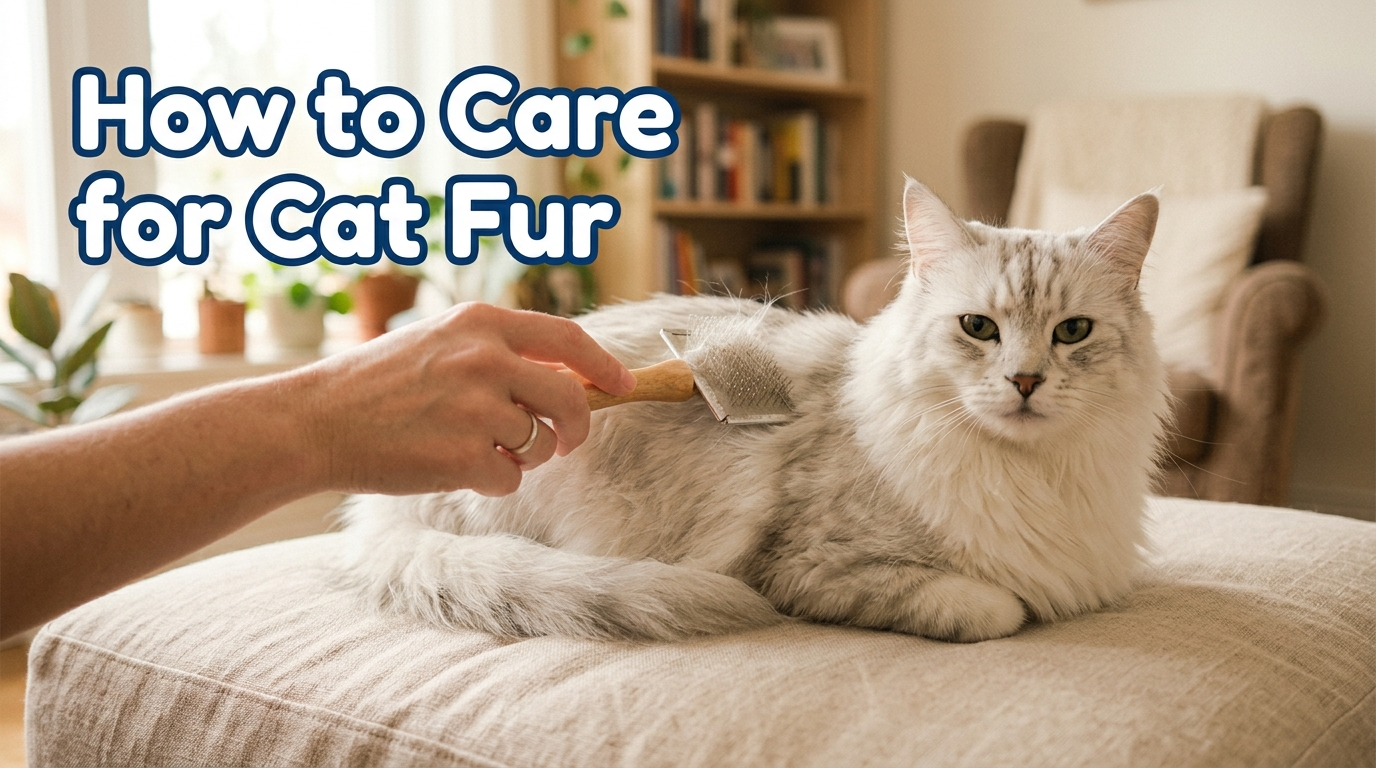
- Introduce the brush slowly, beginning at the neck and working toward the tail in smooth, confident strokes. Avoid stopping and starting erratically.
- Work through the sides and belly, but go gently because the belly is often the most sensitive area and the fastest way to end a session early.
- Check behind the ears, under the armpits, and around the collar area where mats form first and are hardest to spot under thick fur.
- End with a reward. A small treat or short play session signals that grooming ends on a positive note, which makes the next session easier.
A slicker brush or wide-tooth comb works well for most coat types. For longhaired breeds, a brush for long-haired cats that can reach the undercoat is worth the investment. Surface-only brushes leave the deeper fur untouched, which is exactly where tangles form and tighten over time.
What a Healthy Cat Coat Should Look and Feel Like
Run a hand along the cat’s back. The fur should lie flat and return to position without resistance. Parting the fur to look at the skin underneath should reveal pale, smooth skin with no flaking, redness, or visible debris near the follicles.
Signs of a Coat in Good Condition
- Consistent color with no fading or patchy discoloration
- Minimal shedding outside of seasonal changes in spring and fall
- No noticeable odor from the coat or skin
- Soft texture without brittleness or split ends
- Clean, pink skin visible when fur is gently parted
How to Spot an Unhealthy Cat Coat Early
Coat changes like dullness, unusual shedding, matting, or bald patches are warning signs worth paying attention to before they worsen.
A dull or greasy coat often points to nutritional gaps or a cat that has stopped grooming itself. Cats that stop grooming are frequently in pain, stressed, or unwell, and this behavioral shift is easy to miss because cats hide discomfort naturally. Overweight cats in particular struggle to reach parts of their body, which leads to matted fur near the base of the tail and across the lower back.
Excessive shedding outside of spring and fall can signal stress, a thyroid imbalance, or a diet that is not meeting the cat’s nutritional needs. Bald patches with redness, scaling, or crusty skin always warrant a veterinary visit because they can indicate ringworm, allergies, or parasites, all of which need proper diagnosis before treatment.
Bathing Your Cat the Right Way Without Causing Stress
Most cats do not need regular baths. A bath is only necessary when the coat is visibly soiled, when the cat has encountered something sticky or chemical, or when a veterinarian recommends it for a skin condition.
When a bath is unavoidable, always use a shampoo formulated specifically for cats and for the coat type. Human shampoos and dish soaps disrupt the skin’s natural pH balance and strip away the protective oils the coat depends on. The dryness that results can last for weeks and often causes more scratching than the original problem.
Keep the water lukewarm, avoid getting water into the ears and eyes, and dry the cat thoroughly with a towel before moving it into a cool room. For cats that panic at the sight of the tub, the techniques covered in how to bathe a cat that hates water can make a significant difference in how the whole experience goes for everyone involved.
While managing a grooming session, it is also a good moment to clean your cat’s ears and check for wax buildup, debris, or any unusual odor that might need attention. Grooming and ear care together form a complete routine that keeps more than just the coat in good shape.
Grooming Long-Haired Cats Versus Short-Haired Cats
Long-haired cats require daily attention because their fur mats quickly, especially in warmer months or after active play outdoors. Breeds like Persians and Maine Coons often need a combination of a comb, a slicker brush, and sometimes a detangling spray to stay tangle-free between grooming sessions. Many owners of these breeds find that professional grooming every six to eight weeks makes the daily at-home routine much more manageable.
Short-haired cats mostly manage their own coat but still benefit from a weekly brushing session to reduce household shedding and even support oil distribution across the skin. Rubber grooming mitts are particularly effective for short coats because they lift loose fur without putting pressure on sensitive skin, and most cats tolerate them better than a traditional brush.
Common Cat Fur Care Mistakes That Owners Make
The most damaging cat fur care mistakes involve using the wrong products, bathing too often, and skipping brushing until mats become severe enough to require shaving.
- Using human shampoo or baby shampoo, which disrupts feline skin pH and causes lasting dryness
- Brushing mats out forcefully instead of working from the tip inward with a comb first
- Bathing too frequently and stripping the coat’s natural protective oils
- Skipping grooming sessions because the cat resists, which leads to worse tangles at the next attempt
- Using a brush with sharp metal bristles on sensitive skin, which causes discomfort and breeds resistance to grooming
If excessive scratching around the neck area appears alongside coat problems, a flea collar for cats may help reduce parasite pressure while the root cause is investigated with a veterinarian. Scratching-related coat damage is easy to confuse with a grooming issue, but the underlying trigger is different and needs separate attention.
One technique that professional groomers use that most owners never learn: always work through tangles with a wide-tooth comb before reaching for scissors. Cutting mats out at home is genuinely risky because the skin folds into the mat and is easy to nick. When a mat is too tight to comb out, a professional groomer or veterinarian is the safer option.
When to See a Veterinarian About Your Cat’s Coat
A veterinarian visit is needed when coat changes appear suddenly, persist beyond two weeks, or come alongside other behavioral or physical symptoms.
Signs That Need Professional Evaluation
- Sudden, significant hair loss appearing in patches without an obvious cause
- Skin redness, scaling, or crusty spots visible under the coat
- The cat stops grooming itself entirely and the coat rapidly deteriorates
- Greasy or flaky skin that does not improve after dietary adjustments over several weeks
- Persistent scratching or over-grooming that leaves raw, irritated patches on the skin
Many coat issues are secondary symptoms of internal health problems. Parasites, hormonal imbalances, allergies, nutritional deficiencies, and stress can all show up in the fur before other symptoms become obvious. A veterinarian can run bloodwork and skin tests to identify what is actually driving the change, which saves time and prevents the wrong treatments from making things worse.
Final Thoughts on Keeping Cat Fur Healthy
Learning how to care for cat fur comes down to three things: regular brushing suited to the coat type, bathing only when genuinely needed, and a diet that provides enough protein and essential fatty acids to support a healthy coat from the inside. Most coat problems that owners deal with are preventable when these basics are consistently in place.
Every cat is different, and what works for a short-haired tabby will not be the right approach for a long-haired Persian. Pay attention to how the coat responds after each session and adjust the routine as the cat ages or as the seasons change. And whenever something about the coat does not look right, a veterinarian is always the best first call.
FREQUENTLY ASKED QUESTIONS
Should you ever trim a cat’s fur?
Trimming is sometimes necessary for long-haired cats with severe matting, cats with medical conditions, or breeds prone to hygiene issues near the tail. Most healthy cats do not need regular trimming. When unsure, consult a professional groomer or veterinarian.
Is cat hair hygienic?
Cat hair itself is not a direct health risk, but it can carry allergens, dander, and occasionally parasites. Regular brushing reduces the amount of loose fur in the home. Washing hands after handling cats is a simple, effective hygiene habit.
How should you clean an older cat’s fur?
Older cats benefit from gentle daily brushing to compensate for reduced self-grooming. Waterless cat sprays can spot-clean problem areas without the stress of a full bath. Always consult a veterinarian before making major changes to a senior cat’s grooming routine.
Do cats feel better after being groomed?
Yes. Most cats show calmer, more relaxed behavior after grooming, especially when it is done gently and consistently from kittenhood. Grooming stimulates circulation, removes uncomfortable mats, and mimics the social bonding behavior cats experience in multi-cat households.
Is it okay to never bathe an indoor cat?
For most healthy indoor cats with short to medium coats, regular bathing is unnecessary. Cats are efficient self-groomers, and bathing too often strips protective oils from skin and coat. Exceptions include long-haired breeds, cats with skin conditions, and cats exposed to harmful substances.