


No products in the cart.
Best Leash for Dogs That Pull: Top Picks for Strong Control
Disclosure: By clicking on the product links in this article, My Pet World Store may receive a commission fee at no cost to you, the reader.
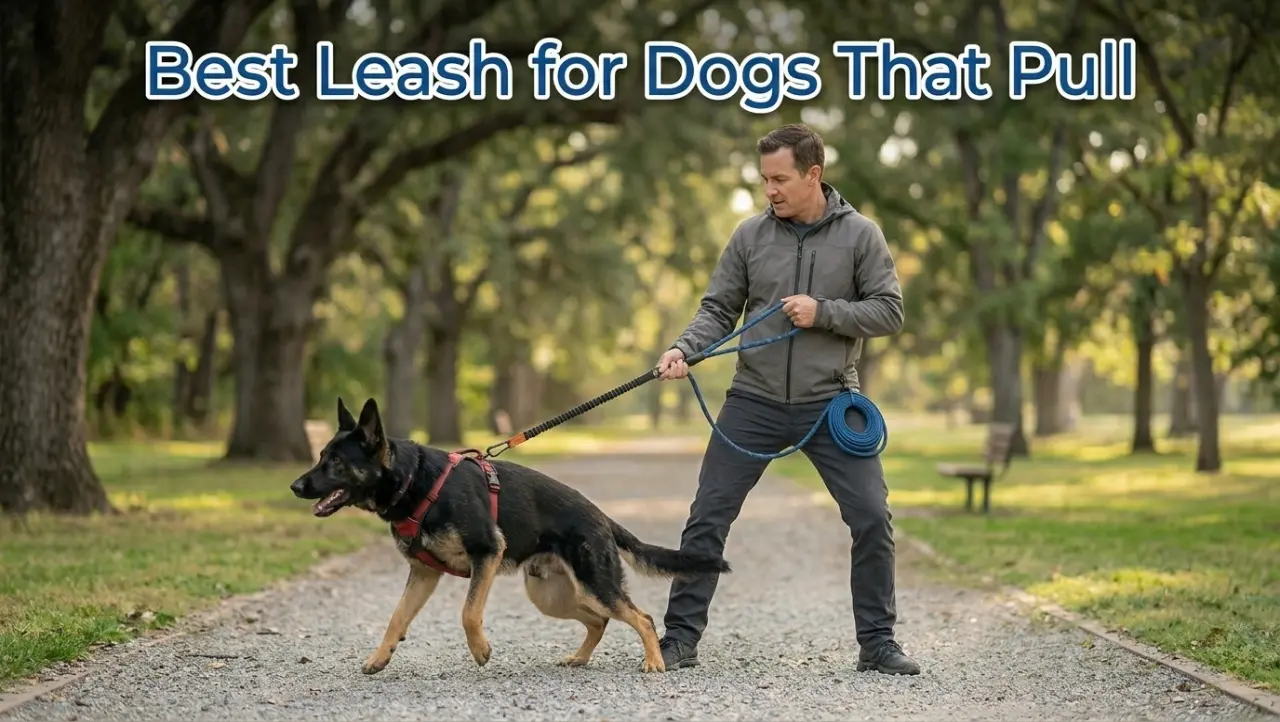
The best leash for dogs that pull is the 2 Hounds Design Freedom No-Pull Leash, specifically when paired with its matching harness to provide dual-point control. For owners seeking a heavy-duty single-point option, the Baapet 5FT Strong Rope Leash offers superior shock absorption and durability. These leashes redirect your dog’s momentum and protect your arms from sudden jolts during walks.
Key Takeaways
- Dual-Clip Systems: Best for maximum redirection and “no-pull” training.
- Shock Absorption: Essential for large, powerful breeds to prevent shoulder strain.
- Durability: Look for mountain climbing rope or reinforced nylon for longevity.
Quick Comparison: Top Rated Leash Dogs
| Product Name | Material Type | Best For | Check Price |
|---|---|---|---|
| 2 Hounds Design Freedom | Industrial Nylon | Training & Control | Check Price |
| Baapet 1/2″ Rope Leash | Climbing Rope | Heavy Duty Pullers | Check Price |
| ThunderLeash No-Pull | Dual-Style Nylon | Simple Setup | Check Price |
| Blue-9 Multi-Function | Adjustable Nylon | Versatile Walking | Check Price |
| SparklyPets Bungee | Anti-Shock Rope | Large Breeds | Check Price |
Top 5 Leashes to Stop Dog Pulling
1. 2 Hounds Design Freedom Training Leash
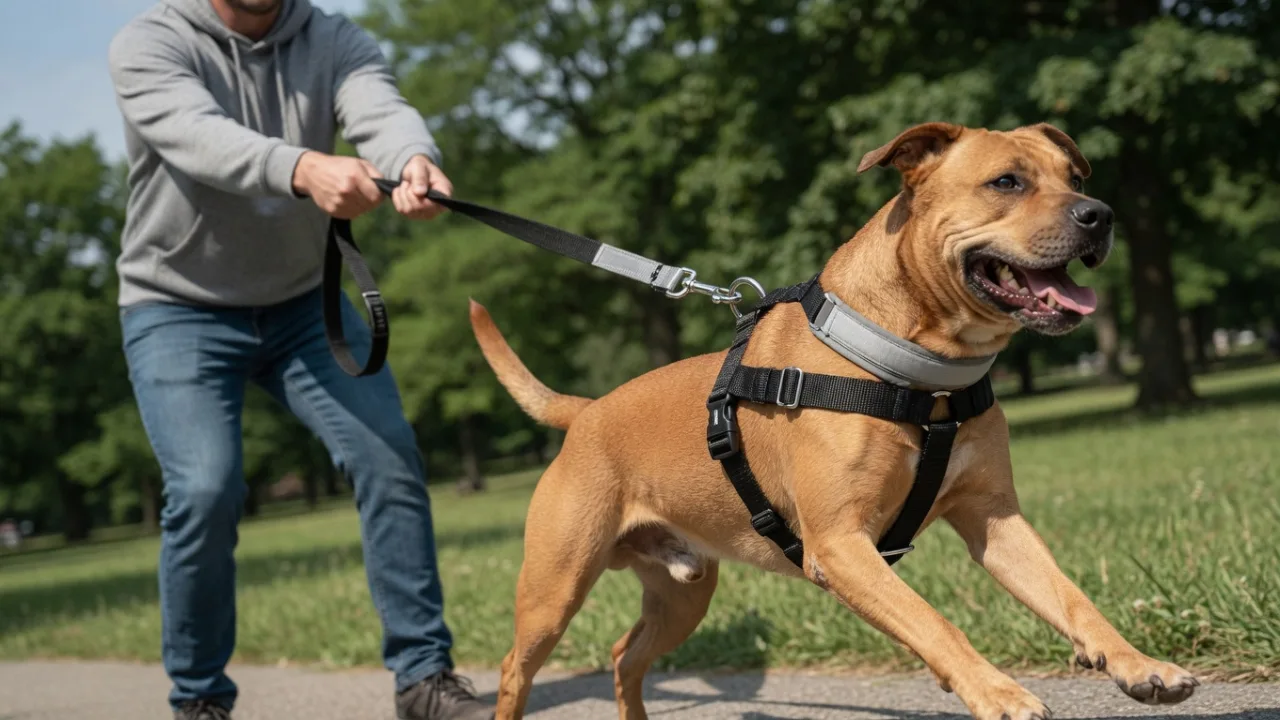
This leash is a favorite among professional trainers because it features a dual-connection design. It allows you to connect to both the front and back of a harness simultaneously, giving you “power steering” over your dog’s movements.
Why We Picked It: It provides the most mechanical advantage for redirecting a dog’s forward momentum without causing discomfort.
Pros: Prevents tangling with a swivel design.
Cons: Works best only with specific dual-clip harnesses.
2. Baapet 5FT Strong Rope Leash
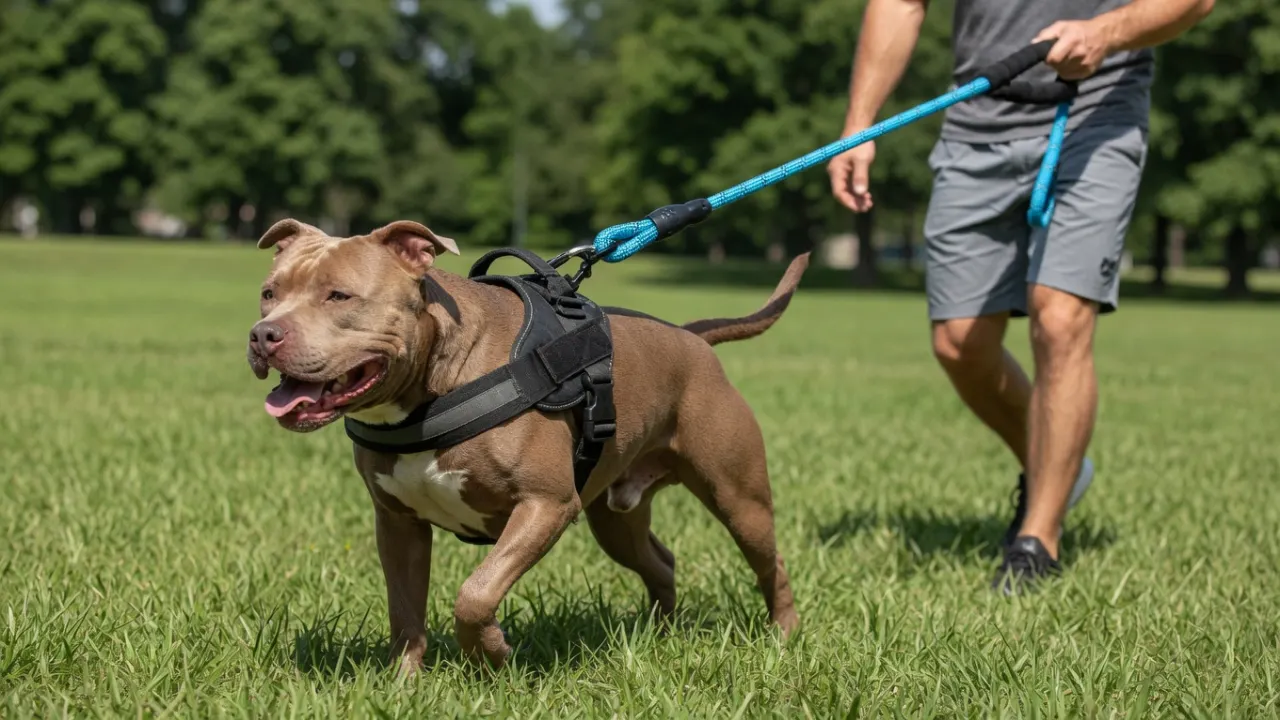
Built with 1/2-inch diameter rock climbing rope, this is the ultimate heavy duty dog leash. It features a soft padded handle to protect your skin from “rope burn” when your dog lunges or pulls suddenly.
Why We Picked It: The combination of high-strength rope and a comfortable grip makes it perfect for medium to large breeds.
Pros: Reflective threads for night safety.
Cons: A bit bulky for very small dogs.
3. ThunderLeash No-Pull Solution
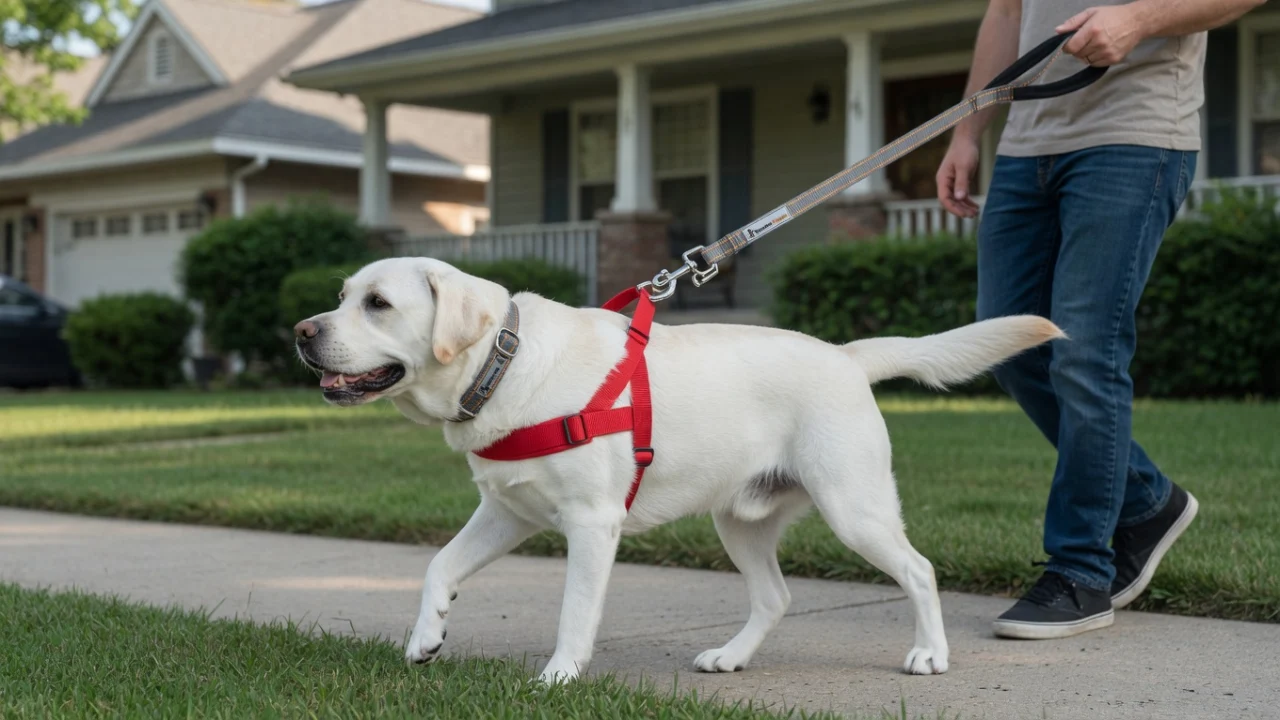
The ThunderLeash is a unique control leash for dogs that can transition from a standard leash to a “no-pull” wrap in seconds. By looping the leash around the dog’s torso, it applies gentle pressure when they pull, encouraging them to slow down.
Why We Picked It: It’s a simple, hardware-free solution for owners who don’t want to use a complicated harness.
Pros: No complicated straps or buckles. Fits almost any dog size.
Cons: Pressure may be too light for extremely aggressive pullers.
4. Blue-9 Multi-Function Training Lead
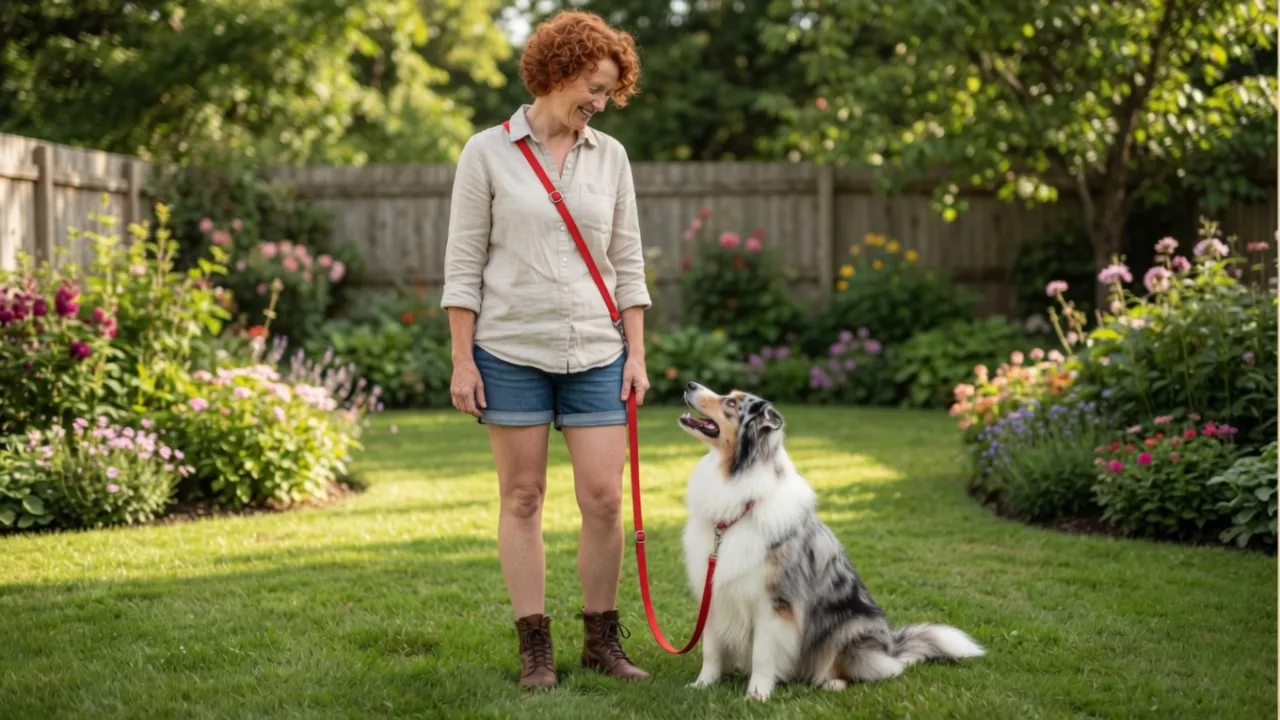
This anti pull dog leash is highly adjustable and can be used in various configurations: over the shoulder, around the waist, or as a dual-point lead. It is excellent for those who want to transition from a best dog training collar to a more relaxed walking style.
Why We Picked It: The versatility allows you to change your control level based on the environment, such as a crowded city vs. an open park.
Pros: High-quality stainless steel hardware with multiple length adjustments.
Cons: The thin nylon can be slippery when wet.
5. SparklyPets Anti-Shock Bungee Leash
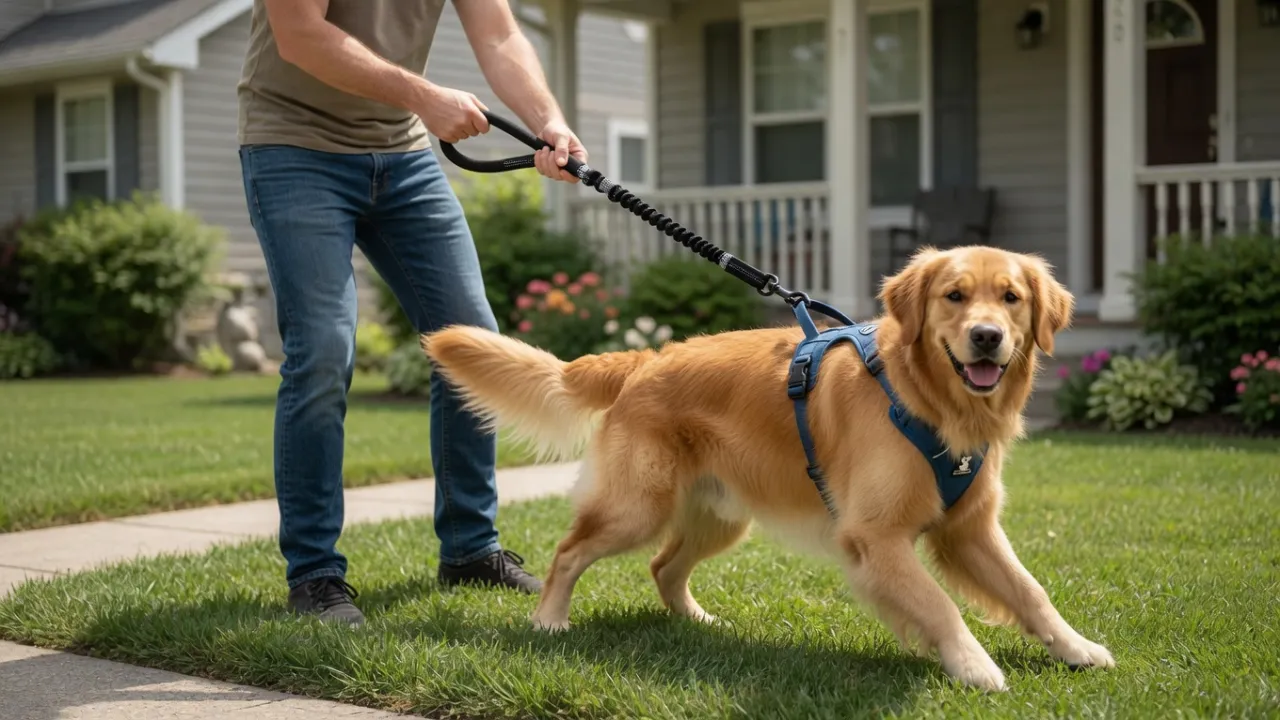
If you have a dog that pulls hard and fast, this dog leash for strong pullers is a lifesaver. The bungee section absorbs the initial shock of a pull, protecting both your arm and the dog’s neck from injury.
Why We Picked It: It significantly reduces the physical toll on the owner’s joints while maintaining total control.
Pros: Extension bungee reduces “snap” impact.
Cons: Bungee can lose elasticity over several years of heavy use.
What kind of leash is best for dogs that pull?
When dealing with a strong puller, standard flat leashes often fail because they don’t provide feedback to the dog. The most effective options are heavy duty dog leashes made from climbing rope or specialized no pull dog leashes that wrap around the chest or connect to a front-clip harness. These tools give you better leverage over the dog’s center of gravity.
While choosing a leash is vital, remember that the right gear is only half the battle; learning how to leash train a dog is essential for long-term success.
Why is my dog constantly pulling on the leash?
Dogs usually pull because they are naturally faster than humans and are excited to explore. However, pulling can also be a sign of a lack of engagement. Using a best rated dog harness alongside your leash can help manage this behavior. If your dog is highly reactive, pairing your setup with the best dog training collar can provide the extra communication needed to break their focus on distractions.
Conclusion
Finding the best leash for dogs that pull is about balancing your dog’s strength with your need for comfort. Whether you choose the shock-absorbing SparklyPets bungee or the tactical control of the 2 Hounds Design lead, the goal is a safer, more enjoyable walk. Consistency in training, combined with these heavy-duty tools, will eventually turn a chaotic walk into a peaceful stroll.
Frequently Asked Questions
What is the #1 trick to stop your dog from pulling on the leash?
The most effective trick is the “Stop and Go” method. The moment the leash becomes taut, stop walking immediately. Do not move forward until the dog turns back or creates slack in the leash, teaching them that pulling results in zero progress.
What leashes do vets recommend?
Vets generally recommend non-retractable leashes made of nylon or leather. For pullers, they often suggest front-clip harnesses paired with a 4 to 6 foot fixed-length leash to prevent neck injuries and tracheal collapse.
What is the safest dog leash?
Fixed-length rope or nylon leashes with heavy-duty carabiners are considered the safest. They provide consistent control and are less likely to snap or cause “friction burns” compared to retractable thin-cord leashes.
Why do dog trainers not recommend harnesses?
Actually, many trainers do recommend front-clip harnesses. However, they advise against “back-clip” harnesses for pullers because these can trigger the “opposition reflex,” which actually encourages the dog to pull harder against the pressure.
What is the 5 second rule for walking dogs?
This rule usually refers to checking pavement temperature. If you cannot hold the back of your hand on the pavement for 5 seconds because it is too hot, it is unsafe for your dog’s paws. In training, it can also refer to keeping “high-value” reward sessions short and frequent.