



No products in the cart.
How to Leash Train a Dog: 5 Simple Steps to a Perfect Walk
Disclosure: By clicking on the product links in this article, My Pet World Store may receive a commission fee at no cost to you, the reader.
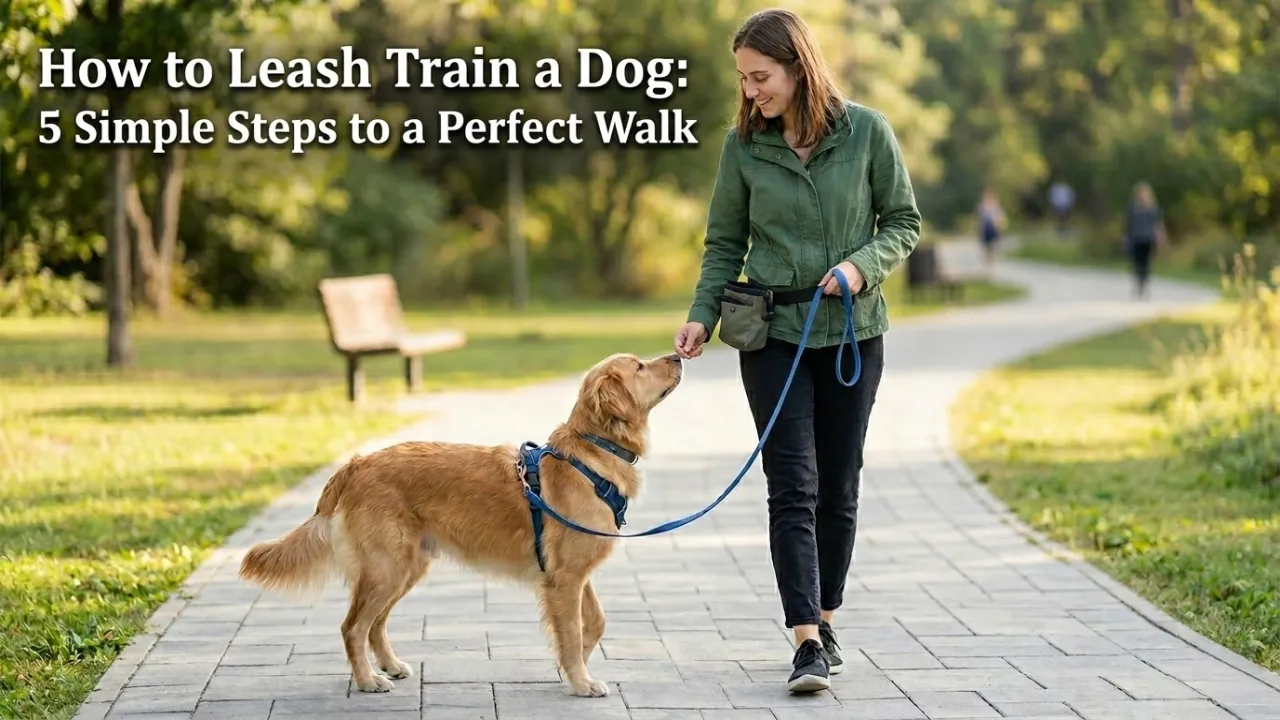
To leash train a dog, you must use positive reinforcement to reward your pet for walking calmly by your side without tension on the lead. Start in a quiet, distraction-free environment and use high-value treats to mark the desired behavior. Successful training requires consistency, patience, and the right gear to ensure your dog associates the leash with a rewarding experience.
Key Leash Training Steps
- Introduce the Gear: Let your dog sniff and wear the collar or harness inside.
- Create a Reward Zone: Give treats when your dog stands next to your leg.
- Master the “Follow Me” Cue: Move a few steps and reward your dog for following.
- Practice Indoors: Walk around your living room to build muscle memory.
- Transition Outdoors: Gradually move to the backyard and then the sidewalk.
5 Simple Steps for Stress-Free Walking
Mastering the walk is easier when you break it down into manageable phases. Follow these steps to transform your daily routine:
- Gear Familiarization: Introduce the training leash for dogs during meal times or play to create a positive association.
- Indoor Practice: Practice training your dog to walk on a leash in a hallway where there are no squirrels or traffic to distract them.
- The Reward Zone: Consistently treat your dog when they are in the “heel” position near your left or right knee.
- Controlled Transitions: Move to a quiet backyard or driveway before attempting a full walk on the sidewalk.
- Gradual Distraction: Slowly introduce new sights and sounds while maintaining the same reward schedule.
Critical Mistakes to Avoid During Leash Training
Many owners accidentally reinforce bad habits without realizing it. To see faster progress, avoid these common pitfalls:
- Pulling Back: Jerking the leash often triggers a dog’s “opposition reflex,” causing them to pull even harder in the opposite direction.
- Inconsistency: Allowing your dog to pull on some walks but not others creates confusion. Rules must stay the same every time the leash is on.
- Using the Wrong Length: A retractable leash or one that is too long makes it nearly impossible to provide clear physical cues. To manage this effectively, many experts recommend the best leash for dogs that pull to maintain better control and safety.
- Ignoring Calm Behavior: Don’t only focus on the bad. If your dog is walking nicely, reward them frequently to reinforce that specific choice.
- Long Training Sessions: Dogs lose focus quickly. Aim for multiple short bursts of training rather than one long, exhausting walk.
How do you train a dog not to pull on leash?
If you want to know how to train a dog not to pull on leash, the “Red Light, Green Light” method is highly effective. As soon as the leash becomes taut, stop walking immediately. Do not jerk the leash: simply become a stationary pole. Wait for your dog to turn back or create slack. Once the leash is loose, resume your walk. This teaches them that pulling actually stops the fun, while a loose leash keeps the walk moving forward.
Expert Strategies for Training a Leash Reactive Dog
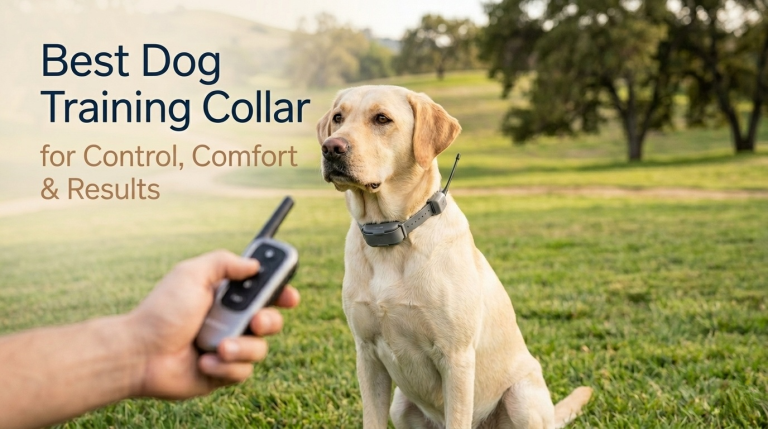
When training a leash reactive dog, the primary goal is to increase the distance between your dog and their triggers. Use high-value rewards like chicken or cheese that they only get during these specific sessions. If your dog begins to bark or lung, you are too close to the distraction. Move away until they can focus on you again, then reward their calm behavior. Clear communication is key, and some owners find that using the best dog training collar helps provide the necessary feedback for dogs that struggle to listen in high-stimulus areas.
How do you leash train a puppy?
Learning how to leash train a puppy requires extra patience because their attention spans are very short. Puppies are naturally curious and may sit down or pull in different directions unexpectedly. Use a lightweight leash and keep the training mood upbeat and fun. If you are worried about your puppy wandering off during off-leash play in the yard, you can track their movement with the best GPS dog collar for added peace of mind.
Conclusion
Leash training is not just about control; it is about building a bond of trust and communication between you and your dog. By focusing on positive reinforcement, avoiding common mistakes, and using the right tools, you can turn a stressful chore into the highlight of your dog’s day. Remember that progress takes time, so stay patient and celebrate the small wins. With consistency and the 5 simple steps outlined above, you will soon enjoy calm, loose-leash walks every time you step out the door.
Frequently Asked Questions
What are common dog training mistakes?
The most common mistake is a lack of consistency. If you allow your dog to pull just once because you are in a hurry, you reinforce the bad habit. Another mistake is using a leash that is too long, which makes it harder to guide your dog’s movements during the early stages of training.
What are the 7 most common dog commands?
The core commands every dog should know are sit, stay, down, come, off, heel, and no. Mastering “heel” is particularly important for anyone learning how to walk a dog effectively, as it keeps the dog safely by your side.
What is the 5 second rule in dog training?
In the context of walking, this refers to checking the pavement temperature. If you cannot hold the back of your hand on the asphalt for five seconds, it is too hot for your dog’s paws. In behavior training, it also refers to the short window you have to reward a dog so they connect the treat to the correct action.
What is the 3-3-3 rule for dog training?
The 3-3-3 rule describes the stages of a dog’s transition: three days to decompress, three weeks to learn your routine, and three months to feel fully secure. Leash training usually becomes much easier after the three-week mark once the dog understands your expectations.
What confuses a dog?
Mixed signals are the biggest source of confusion. For example, if one person allows a dog to pull on the leash while another person stops, the dog will not understand which behavior is correct. Clear, repetitive cues and consistent consequences are essential for successful training.